
For centuries, diamonds have been a symbol of permanence and enduring value.
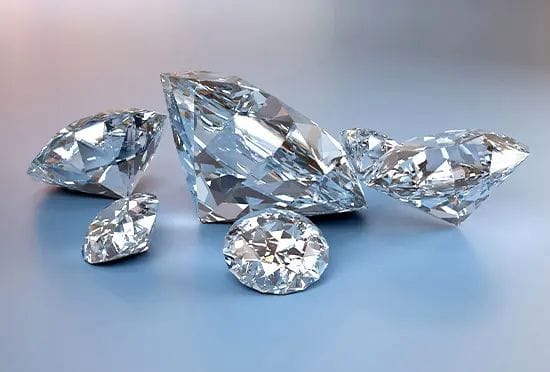 We call them “forever,” and in a geological sense, that’s not far from the truth. Every diamond ever mined is essentially still in existence, a testament to its indestructible nature. But while the rocks themselves are ancient, the diamond trade is anything but static. A recent policy change is about to create a tectonic shift in the industry, with massive implications for prices, supply chains, and the very concept of a “new” diamond.
The New Reality: A 50% Tariff on Indian Diamonds
The United States has long been a major consumer of diamonds, and for years, India has been the undisputed global leader in cutting and polishing them. However, a new 50% tariff on goods imported from India, effective as of August 27, 2025, has sent shockwaves through the market. This drastic increase from a previous 25% duty, a policy implemented by the Trump administration, is a direct hit to a trade pipeline that has been in place for decades.
This policy has already had a significant impact. Diamond imports from India to the U.S. have plummeted, with a 90% decline in just a few months. The industry is scrambling, and as inventory of pre-tariff diamonds dwindles, a fascinating new dynamic is taking shape.
The Rise of the “Above-Ground” Diamond
Because of the new tariff, the value of diamonds already in the United States—what the industry calls “above-ground” diamonds—is skyrocketing. A 50% tariff isn’t just a slight increase in cost; it’s a monumental profit margin for anyone who holds existing stock. This is creating a powerful incentive for sellers to market and sell what are essentially legacy stones.
But what, exactly, is the difference between a new diamond and an old one? The truth is, the only difference is the address and the price. A diamond that was mined a year ago and is sitting in a warehouse in New York is now infinitely more valuable than a diamond that was mined in the same location and is currently in Mumbai.
A Market Ripe for Disruption (and Smuggling)
The diamond market is about to get messy. With such a massive price discrepancy between “new” and “old” stones, smuggling becomes an almost irresistible option. Diamonds are small and incredibly easy to conceal. A few stones in a pocket or on a finger can represent hundreds of thousands of dollars in value, and once they cross the border, they are essentially indistinguishable from stones that have been in the country for years.
This is because, at a fundamental level, there is no way to scientifically determine the age or origin of a cut and polished diamond. While scientists can analyze mineral inclusions to date the original formation of a rough diamond (a process that destroys the stone), there is no a-la-carte test for a finished jewel. To the naked eye and even to most jewelers, a diamond’s history is a mystery. They are, after all, hundreds of millions of years old to begin with.
The New Taxman on the Horizon
This new reality creates a unique challenge for regulators. With no way to verify the origin or age of a diamond once it’s in the market, how can customs or law enforcement enforce the new tariff? The current system is based on paperwork and declarations, which are easily falsified. The situation seems tailor-made for a new breed of taxman, one whose job it will be to somehow prove that an “above-ground” diamond isn’t a smuggled one.
In the end, this tariff may not only inflate the price of diamonds but also fundamentally change the way we think about their value. It’s a reminder that even the most enduring of treasures are subject to the fleeting and often unpredictable forces of politics and economics. The only constant, it seems, is that the brilliance of the diamond itself remains a powerful and timeless allure.