
[sc_fs_multi_faq headline-0=”h2″ question-0=”1. Why is Mount Antero significant for gemstone mining?” answer-0=”Mount Antero is famous for being one of the highest gemstone localities in the world, sitting at over 14,000 feet. It is the premier source of aquamarine (the state gemstone of Colorado) in the United States. The gems are found within beryllium-rich pegmatite rocks that were formed millions of years ago deep within the mountain.” image-0=”” headline-1=”h2″ question-1=”2. How did the mining focus on the mountain change over time?” answer-1=”Mining originally began in the mid-20th century for beryllium, a metal used in aerospace. It wasn’t until the 1960s that the focus shifted to aquamarine. However, large-scale operations weren’t initially profitable. It took a resurgence at the turn of the millennium, led by the Cardwell family, to refocus on high-quality gemstone extraction for the jewelry market.” image-1=”” headline-2=”h2″ question-2=”3. Is the mining done with heavy machinery?” answer-2=”Because of the rugged terrain and the delicate nature of the crystals, much of the work is done through prospecting. This involves: Visual examination of rock formations. The use of hand tools like rock hammers and chisels. Occasional small, mechanized equipment for careful excavation. Heavy machinery is rarely used because it can easily damage the fragile crystals hidden inside the rock pockets.” image-2=”” headline-3=”h2″ question-3=”4. What determines the specific blue color of the aquamarine found there?” answer-3=”The color is a result of trace amounts of iron within the beryl crystal structure. Deep, intense blues: Caused by higher concentrations of iron. Pale sky blues: Caused by lower iron content. Prospectors use their knowledge of these scientific principles to scout for veins more likely to produce the most desirable shades.” image-3=”” headline-4=”h2″ question-4=”5. Can anyone mine for aquamarine on Mount Antero?” answer-4=”While Mount Antero is a popular spot for hobbyist “rockhounds,” it is important to note that much of the gem-rich land—specifically the south knob—is under a private claim system managed by the Cardwell family. This system ensures that the mining is done responsibly and sustainably. Always check for active claims before attempting to prospect in the area.” image-4=”” count=”5″ html=”false” css_class=””]
Aquamarine Antero Colorado: Mining Aquamarine on Mount Antero, Colorado
 Aquamarine Antero Colorado – Mt Antero is no pushover- that is why a lot still remains there.
Towering over 14,000 feet, Mount Antero in Colorado is a majestic peak that holds a hidden treasure: aquamarine, a captivating gemstone prized for its serene shades of blue. This article delves into the fascinating world of aquamarine mining on Mount Antero, exploring its history, the intricacies of the process, and the unique challenges and rewards that await those who dare to seek this aquatic gem in the rugged Colorado mountains.
A History Etched in Stone: Aquamarine Antero
Mount Antero’s mining story begins in the mid-20th century, fueled by the discovery of beryllium, a valuable metal used in aerospace applications.
However, the true gem of the mountain lay hidden within the beryllium-rich pegmatite rocks – aquamarine, a variety of the mineral beryl. The Cardwell family, who spearheaded the initial mining operations, soon recognized the potential of this breathtaking blue gem.
By the 1960s, the focus shifted from beryllium to aquamarine. However, the initial mining efforts proved economically challenging. Extracting the dispersed beryl crystals proved inefficient, and the market for aquamarine wasn’t yet robust enough to sustain large-scale operations. The claims lapsed, and Mount Antero entered a period of relative mining inactivity.
A New Dawn for the Mountain: The Rise of Aquamarine Gemstone Mining
The turn of the millennium ushered in a new era for aquamarine mining on Mount Antero. The Cardwell family, with Craig Cardwell at the helm, recognized the growing demand for high-quality gemstones and refocused their efforts on extracting aquamarine. This shift marked the resurgence of mining activity on the mountain.
Today, Mount Antero boasts a unique claim system, with the Cardwell family retaining control over the south knob, known for its gem-rich pegmatites. This allows them to manage the area responsibly and prioritize the sustainable extraction of aquamarine.
 The Allure of the Hunt: Prospecting for Aquamarine
 The Allure of the Hunt: Prospecting for Aquamarine
The journey to unearth aquamarine on Mount Antero is an arduous yet rewarding experience. Unlike traditional large-scale mining operations, aquamarine on Mount Antero is primarily obtained through prospecting, a process that involves searching for promising mineral deposits through visual examination and basic tools like rock hammers and chisels.
Prospectors, often referred to as “rockhounds,” brave the challenging terrain, navigating steep slopes and harsh weather conditions. They meticulously examine rock formations, searching for telltale signs like pegmatite veins, which are the primary host rock for aquamarine crystals.
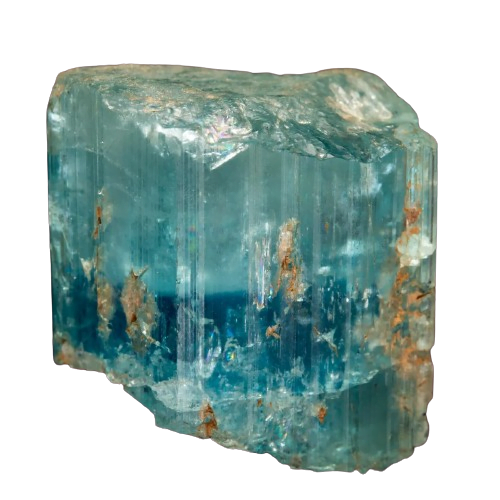
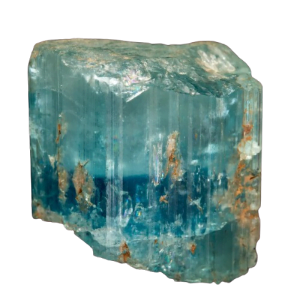
The thrill of discovery is unparalleled. Unearthing a pocket containing sparkling aquamarine crystals, their colors ranging from pale sky blue to rich teal, is a moment etched in the memory of every successful prospector.
The Art of the Dig: Extracting Gems from the Mountain’s Embrace
Once a promising location is identified, the real work begins. Using hand tools and sometimes small, mechanized equipment, prospectors carefully excavate the pegmatite rock. This process demands patience, meticulous technique, and a deep respect for the mountain’s fragile ecosystem.
The extracted rock is then meticulously broken down, revealing the hidden treasures within. Keen eyes scan for the telltale blue flashes that signal the presence of aquamarine crystals. Each crystal is meticulously extracted from the surrounding rock, a process that requires a delicate touch to ensure minimal damage to the gem.
Beyond the Surface: The Science Behind the Sparkle
Aquamarine’s enchanting beauty stems from its unique chemical composition. Beryl, the mineral from which aquamarine forms, consists of beryllium, aluminum, and silicate. Trace amounts of iron, sometimes accompanied by other elements, contribute to the gemstone’s captivating blue hues.
The specific color variations within aquamarine crystals are influenced by the presence and concentration of these trace elements. Iron, for example, creates the deeper, more intense blue tones, while lower iron content results in pale sky blue shades. Understanding these scientific principles allows prospectors to identify areas with a higher potential for yielding the most desirable aquamarine colors.
Aquamarine Antero Mountain, a majestic peak Towering over 14,000 feet, that holds a hidden treasure: Mountain to Market: The Journey of a Gem
Once extracted, the aquamarine crystals embark on the next leg of their journey. Skilled lapidaries cut and polish the rough gemstones, meticulously revealing their brilliance and beauty. The faceting process plays a crucial role in maximizing the gem’s fire, brilliance, and overall visual appeal.
The finished aquamarine gemstones then enter the market, finding their way into the hands of jewelers, collectors, and enthusiasts. These breathtaking stones grace exquisite jewelry pieces, adding a touch of elegance and natural beauty.
Here is a great narrative of mining Aquamarine on Mount Antero by Robert Spomer
Mount Antero Aquamarine FAQ
Mount Antero is a legendary location for rockhounds and professional miners alike. Based on the history and process of extracting these sky-blue gems, here are the most frequently asked questions about mining on this 14,000-foot peak.
1. Why is Mount Antero significant for gemstone mining?
Mount Antero is famous for being one of the highest gemstone localities in the world, sitting at over 14,000 feet. It is the premier source of aquamarine (the state gemstone of Colorado) in the United States. The gems are found within beryllium-rich pegmatite rocks that were formed millions of years ago deep within the mountain.
2. How did the mining focus on the mountain change over time?
Mining originally began in the mid-20th century for beryllium, a metal used in aerospace. It wasn’t until the 1960s that the focus shifted to aquamarine. However, large-scale operations weren’t initially profitable. It took a resurgence at the turn of the millennium, led by the Cardwell family, to refocus on high-quality gemstone extraction for the jewelry market.
3. Is the mining done with heavy machinery?
Because of the rugged terrain and the delicate nature of the crystals, much of the work is done through prospecting. This involves:
Visual examination of rock formations.
The use of hand tools like rock hammers and chisels.
Occasional small, mechanized equipment for careful excavation. Heavy machinery is rarely used because it can easily damage the fragile crystals hidden inside the rock pockets.
4. What determines the specific blue color of the aquamarine found there?
The color is a result of trace amounts of iron within the beryl crystal structure.
Deep, intense blues: Caused by higher concentrations of iron.
Pale sky blues: Caused by lower iron content. Prospectors use their knowledge of these scientific principles to scout for veins more likely to produce the most desirable shades.
5. Can anyone mine for aquamarine on Mount Antero?
While Mount Antero is a popular spot for hobbyist “rockhounds,” it is important to note that much of the gem-rich land—specifically the south knob—is under a private claim system managed by the Cardwell family. This system ensures that the mining is done responsibly and sustainably. Always check for active claims before attempting to prospect in the area.