Free Appraisals- the Truth
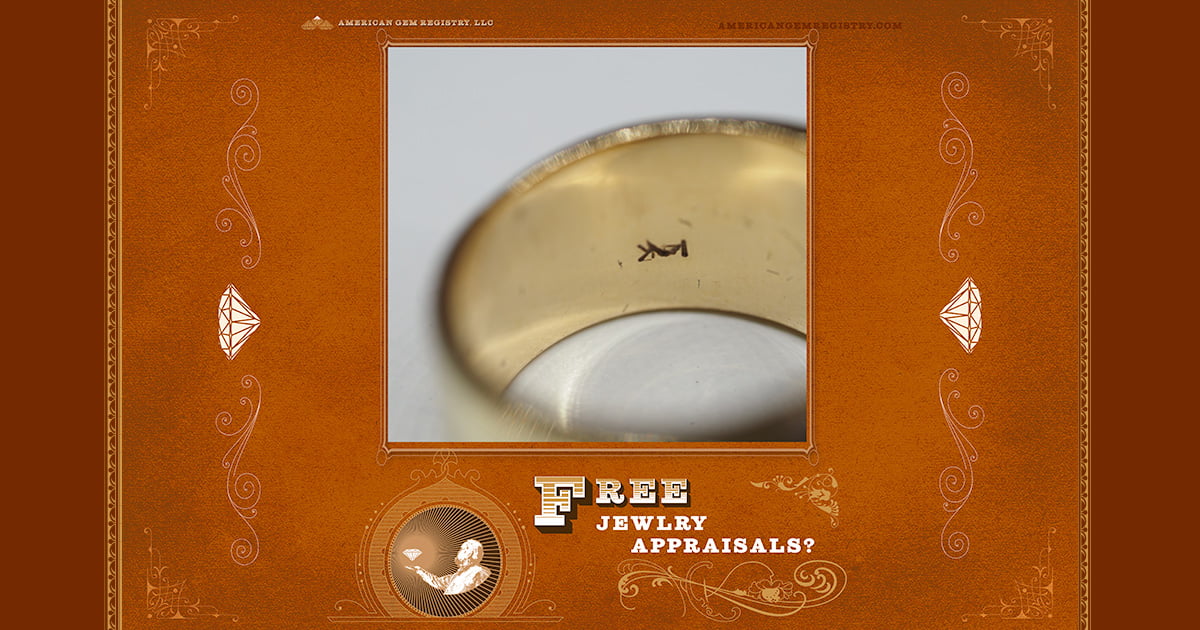
A “free” jewelry appraisal may sound great; but “free” is not free. Read this article to learn about what to ask of your potential Jewelry Appraiser.

A “free” jewelry appraisal may sound great; but “free” is not free. Read this article to learn about what to ask of your potential Jewelry Appraiser.

Carbonado Diamonds Origin Updated August 2026 🌌 The Carbonado Conundrum: Unearthing the Toughest Diamond with a Cosmic Pedigree Within the pantheon of precious materials, the diamond is celebrated as the epitome of brilliance, purity, and unparalleled hardness. Yet, beneath the dazzling, flawlessly cut gems used in high jewelry lies a far more mysterious and formidable … Read more
Updated March 30 2026 Executive Summary: The Actuarial Truth of Tanzanite In the 2026 gemstone market, the word “investment” is often used as static propaganda. At American Gem Registry, we apply the principles of Data Physics to determine if a mineral species possesses the necessary liquidity and scarcity to be classified as a hard asset. … Read more
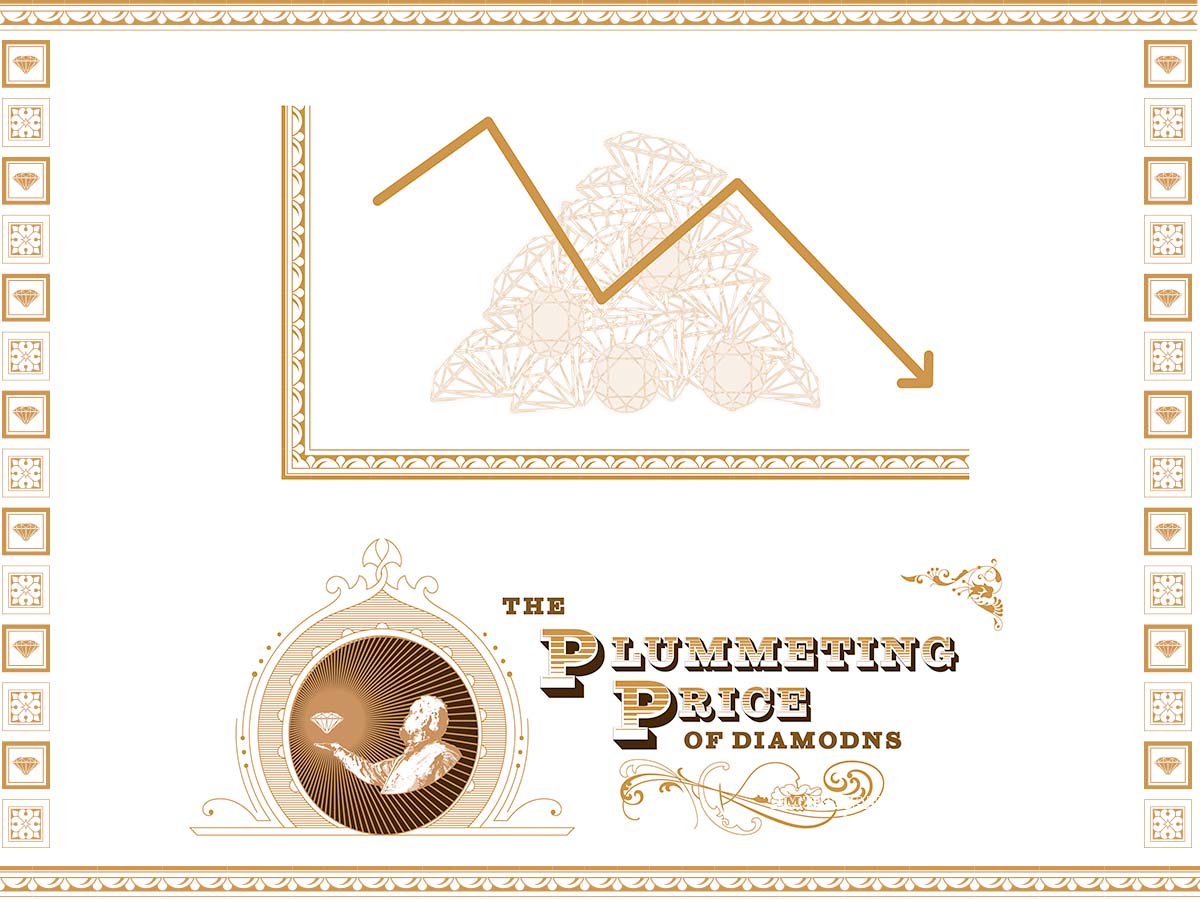
As natural diamond prices face a structural adjustment in 2026, the market is bifurcating into luxury rarity and lab-grown alternatives. Discover the forensic data driving this shift and why the ‘Big Three’ are now viewed as more stable hard assets.
Executive Summary: The Actuarial Truth of Denver’s Hidden Heirlooms In the 2026 gemstone ecosystem, Denver has emerged as a high-density repository of period jewelry, much of it accumulated during the “Robber Baron” era of the American West. This forensic audit defines the methodology for Antique Jewelry Appraisal Denver, utilizing Digital NDT and Zero-Failure Architecture to … Read more
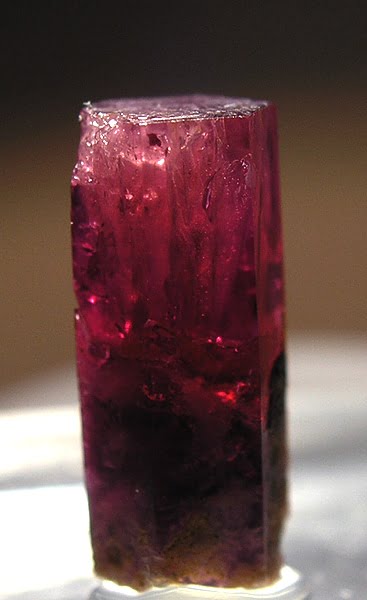
[sc_fs_multi_faq headline-0=”h2″ question-0=”1. What exactly is Bixbite, and how does it relate to other gemstones?” answer-0=”Bixbite is a rare, raspberry-red variety of the beryl family. It shares a lineage with more common gemstones like emerald (green beryl) and aquamarine (blue beryl). Its distinct red color is caused by trace amounts of manganese within its crystal … Read more
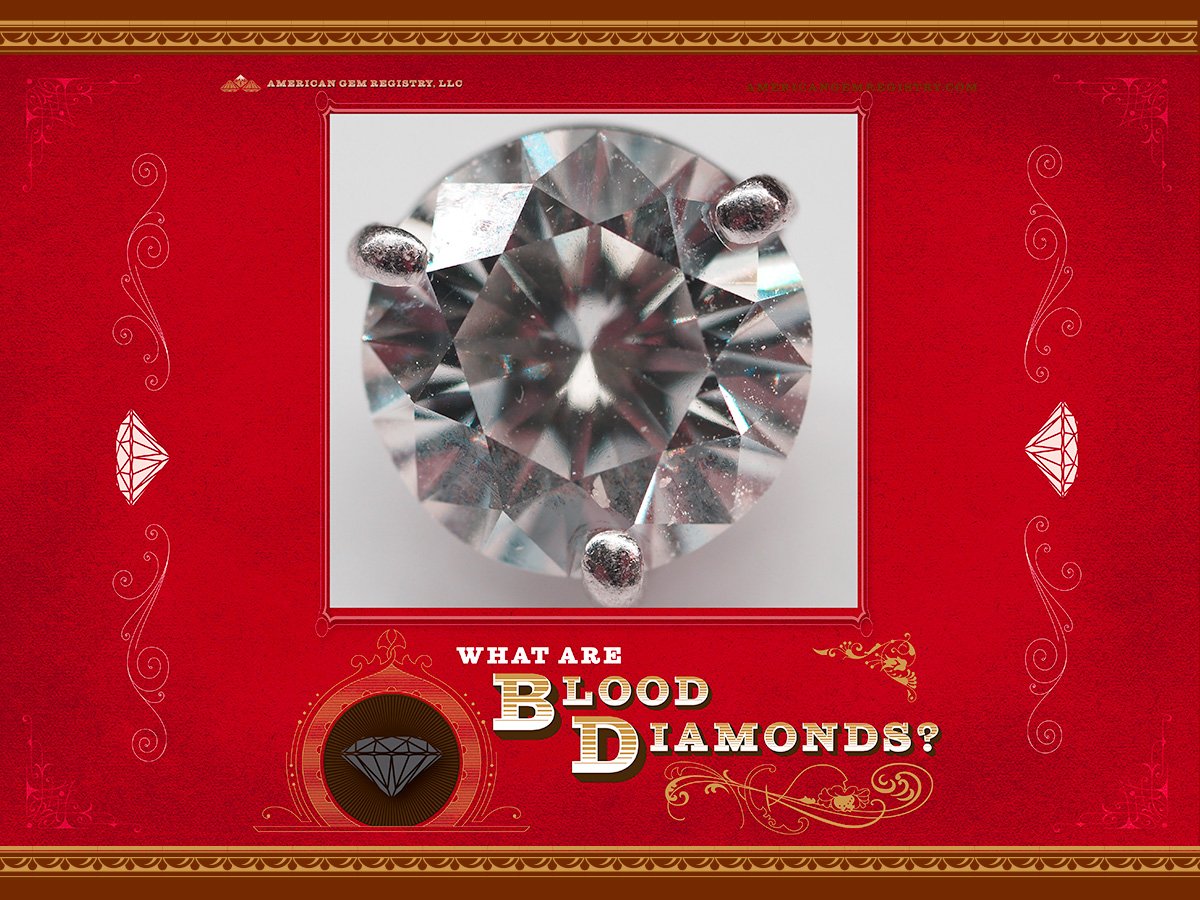
[sc_fs_multi_faq headline-0=”h2″ question-0=”1. What are “Conflict Diamonds” and why are they called “Blood Diamonds”?” answer-0=”Conflict Diamonds are rough diamonds used by rebel groups or gangs to finance civil unrest, terrorism, and war against legitimate governments. They earned the name “Blood Diamonds” because their mining is often associated with extreme human rights abuses, including forced labor, … Read more
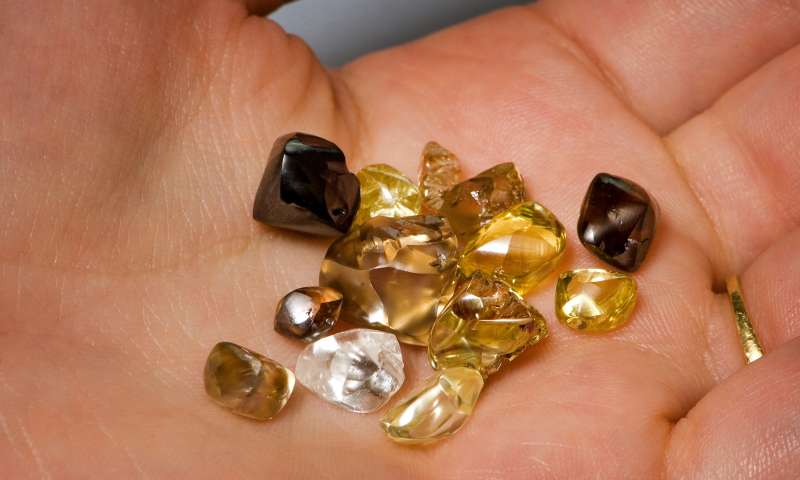
[sc_fs_multi_faq headline-0=”h2″ question-0=”1. Where did the tradition of associating gemstones with specific months begin?” answer-0=”While the exact origins are mysterious, the tradition is often traced back to the Breastplate of Aaron described in the Bible (Exodus). The breastplate featured twelve gemstones representing the twelve tribes of Israel. Later, 1st-century historians like Josephus began linking these … Read more
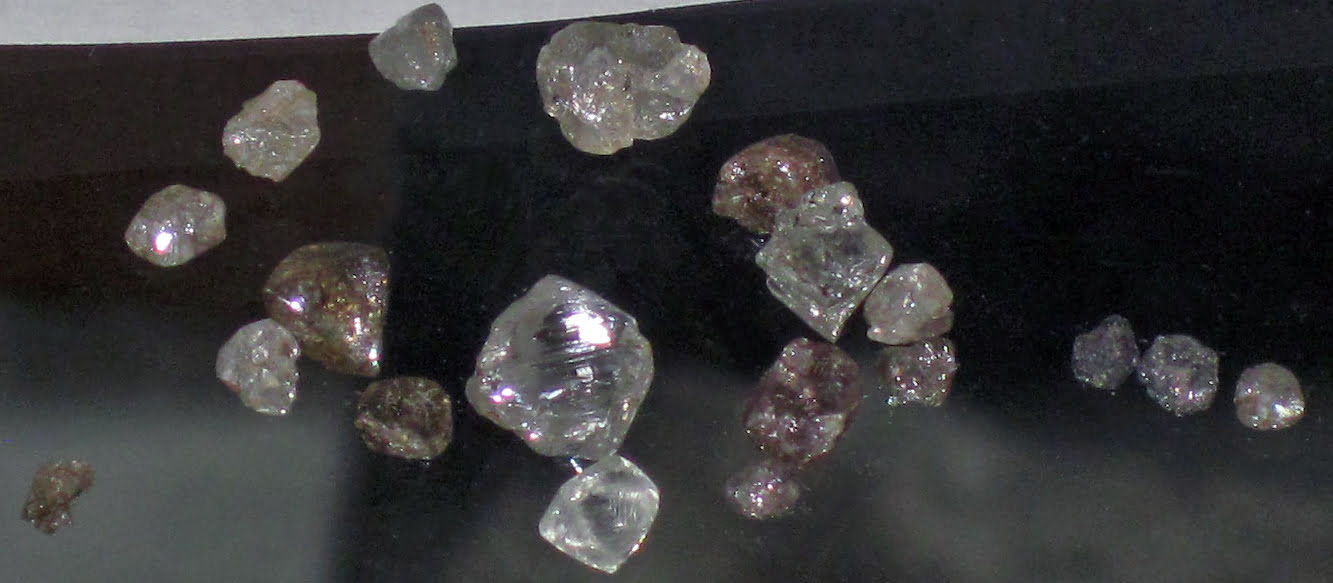
[sc_fs_multi_faq headline-0=”h2″ question-0=”1. How did Philip Arnold and John Slack trick investors into believing there were diamonds at Diamond Peak?” answer-0=”The cousins used a classic deception technique called “salting.” They purchased approximately $35,000 worth of real diamonds from South African merchants and scattered them across a site in Wyoming. To add to the mystery and … Read more
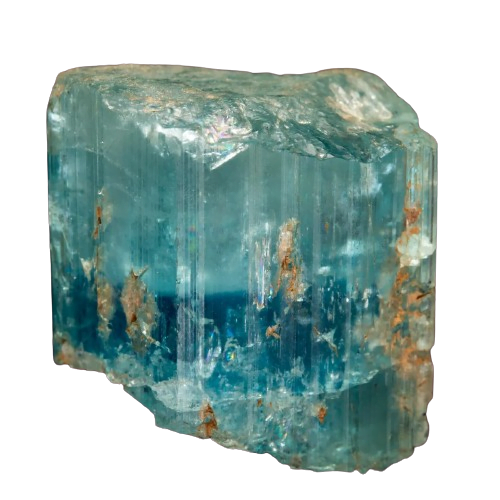
[sc_fs_multi_faq headline-0=”h2″ question-0=”1. Why is Mount Antero significant for gemstone mining?” answer-0=”Mount Antero is famous for being one of the highest gemstone localities in the world, sitting at over 14,000 feet. It is the premier source of aquamarine (the state gemstone of Colorado) in the United States. The gems are found within beryllium-rich pegmatite rocks … Read more