Selling Lab Grown Diamonds

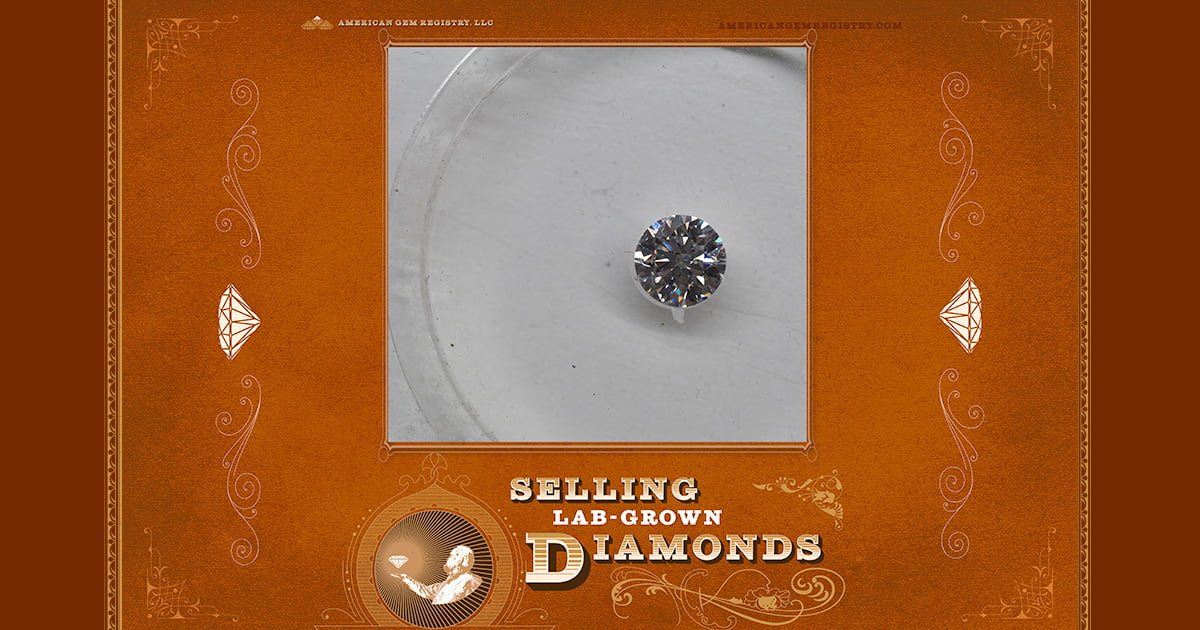
Selling lab grown diamonds - trying to sell your Lab-Grown Diamonds? Learn how with AGS Independent Gemologist Appraiser.

Selling Lab Grown Diamonds The conversation surrounding “selling lab grown diamonds” often presents a skewed view. Contrary to popular belief, selling lab grown diamonds is far from impossible. The current factory gate price, hovering below USD 300 per carat, indicates a viable market. A common misconception in the “selling lab grown diamonds” discourse is the … Read more

How to Read a Diamond Grading Report

Contact American Gem Registry with your questions, and to schedule an appointment in Arvada or onsite at your location
[sc_fs_multi_faq headline-0=”h2″ question-0=”Why is the date on a GIA grading report important to buyers?” answer-0=”The date is crucial because it indicates when the diamond was last inspected. Most shoppers look for a report issued within the last one to two years. An older report raises concerns about potential damage (like chips or scratches) that may have occurred since the inspection. Additionally, GIA report formats have changed over time; for example, reports issued before 2006 do not include a cut grade.” image-0=”” headline-1=”h2″ question-1=”2. Does GIA provide a “Cut Grade” for all diamond shapes?” answer-1=”No. GIA currently only provides an official cut grade for Modern Round Brilliant diamonds. For any other shape (like Pear, Princess, or Marquise), this line will be omitted from the report. If you need a cut grade for a non-round diamond, the article suggests consulting an independent appraiser or an alternative lab like IGI.” image-1=”” headline-2=”h2″ question-2=”3. What is the difference between the “Proportion Diagram” and the “Plotting Diagram”?” answer-2=”Proportion Diagram: Shows the physical measurements and angles of the diamond, such as crown and pavilion angles and culet size. Plotting Diagram: Acts as a “map” of the diamond from both the top and bottom views. It marks the specific clarity characteristics (inclusions or blemishes) used to determine the diamond’s grade and helps in identifying the specific stone.” image-2=”” headline-3=”h2″ question-3=”4. What should I look for in the “Comments” section of the report?” answer-3=”The comments section contains important notes from the grader that aren’t captured in the diagrams. This includes mentions of treatments (like laser drill holes), special phenomena like phosphorescence, or clarity characteristics that weren’t large enough to plot, such as “clouds not shown.”” image-3=”” headline-4=”h2″ question-4=”5. How can I verify that a GIA report is authentic and matches the diamond?” answer-4=”Every GIA report has a unique report number that can be looked up in the GIA online database. Most stones also have a QR code on the report that links directly to the digital record. Additionally, check the Inscription section; many diamonds have their report number laser-inscribed on the girdle, which can be matched to the physical document.” image-4=”” count=”5″ html=”false” css_class=””]

Read more

Sell Lab Grown Diamonds

Sell Lab Grown Diamonds

[sc_fs_multi_faq headline-0=”h2″ question-0=”1. Why is it harder to sell a lab-grown diamond than a natural one?” answer-0=”Lab-grown diamonds are a product of technology, much like a smartphone or a laptop. As the technology to create them improves and scales, the cost to produce a new diamond drops. Because a buyer can often get a brand-new … Read more

Lab Grown Diamonds Price Drop 2024

The Lab Grown Diamonds Price Drop is here. Have you noticed that it’s getting harder and harder to sell lab grown diamonds? This is a tale about how Lab Grown and Natural Diamonds hold their value

[sc_fs_multi_faq headline-0=”h2″ question-0=”Why have lab-grown diamond prices dropped so significantly in 2024?” answer-0=”The price drop—often exceeding 50% in the last year—is primarily driven by technological advancement and increased supply. Unlike natural diamonds, which are finite, lab diamonds are a product of technology grown using electricity (CVD or HPHT methods). As the technology becomes more efficient … Read more

The 4C’s: How to Use the Traditional GIA Grading Scale to Buy Diamonds

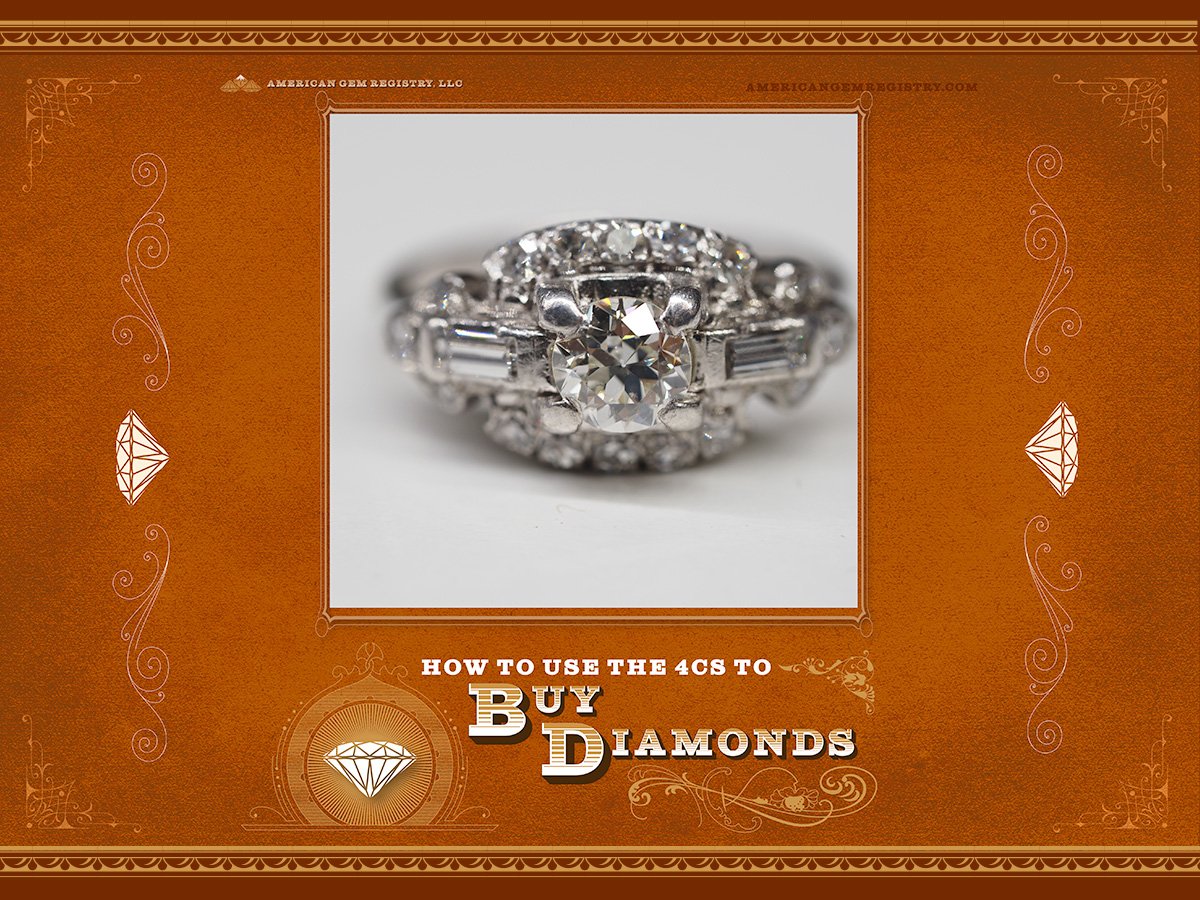
Cover art for the article "The 4C's: How To Use the Traditional GIA Grading Scale to Buy Diamonds" which depicts several decorative borders centered around a silver ring with a round-shape diamond center-piece.

[sc_fs_multi_faq headline-0=”h2″ question-0=”1. What is the most important tool for a diamond shopper to have?” answer-0=”The GIA Grading Report is the number one tool for any shopper. For any major diamond purchase (specifically those over a few thousand dollars), a lab report is essential. If a stone does not have a reputable lab report, the … Read more

What is Worth?

Any statement of worth has to contain an element of what it’s worth, to whom, under what circumstances. Without that you got nothing.

What is Worth? Any statement of worth has to contain an element of what it’s worth, to whom, and under what circumstances. Without that you got nothing. Words on a page. Vapor. Cynics answer this with: “It’s Worth Whatever Someone Will Give You For it.”  While true in a certain dystopian sense, that’s not a … Read more