
Updated 2026
Crater of Diamonds Park Visitor Strikes it lucky with 2.30-Carat Diamond Find
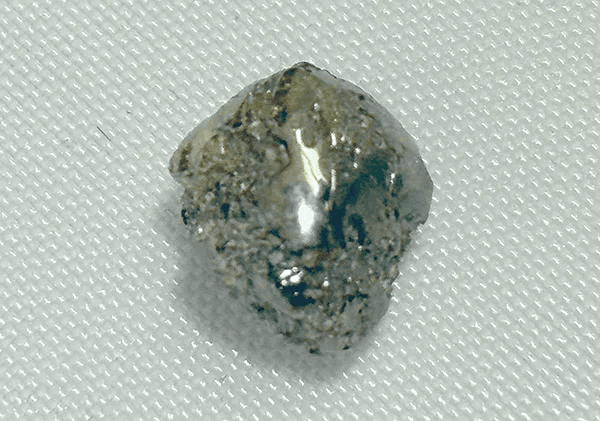
Murfreesboro, Arkansas – In a thrilling turn of events, a lucky visitor at Crater of Diamonds State Park recently discovered a sparkling 2.30-carat diamond while searching the park’s famed diamond-bearing soil. The find, which occurred on September 27, marks the third diamond over two carats registered this year and the second-largest diamond unearthed in 2024.
 The amateur prospector, who arrived at the park early in the morning, initially employed the traditional wet sifting method using a rental kit. However, after several hours of unsuccessful searching, they decided to switch to a less strenuous approach – surface searching.
The timing was ideal for this strategy. The recent rainfall and freshly plowed search area had created optimal conditions for discovering diamonds near the surface. The park’s periodic plowing helps loosen the diamond-bearing soil, while the rain washes away dirt and uncovers valuable gems.
While exploring the area just west of the North Wash pavilion, the visitor spotted something glimmering on the ground. Initially believing it to be a piece of trash or a bug, they took a closer look and realized it was a precious diamond.
The diamond, a silvery-white stone weighing 2.30 carats, was immediately taken to the park’s Diamond Discovery Center for verification. Park interpreter Sarah Reap confirmed the find, expressing her surprise at the visitor’s calm demeanor.
“Even after years of working here, I’m still amazed when a finder pulls out a large diamond so nonchalantly,” Reap said.
The discovery adds to the impressive tally of diamonds found at Crater of Diamonds State Park. Since its opening in 1972, the park has welcomed millions of visitors, who have unearthed over 35,000 diamonds. In 2024 alone, 548 diamonds have been registered, totaling more than 82 carats.
The park’s 37.5-acre diamond search area is the eroded surface of an extinct, diamond-bearing volcanic pipe. Visitors can search for diamonds using various techniques, including wet sifting and surface searching.
The largest diamond ever discovered in the United States was unearthed at Crater of Diamonds in 1924. Named “Uncle Sam,” this 40.23-carat diamond is now part of the Smithsonian’s mineral and gem collection.
While most diamonds found at the park are smaller, there are occasional large finds like the recent 2.30-carat discovery. This exciting event serves as a reminder of the thrill and potential rewards that await visitors to Crater of Diamonds State Park.
💎 2026 Update: The Year of the Titans—Big Finds Keep Rolling In!
The momentum and excitement generated by the 2.30-carat discovery in late 2024 proved to be just the prelude to an even more sensational year. 2025 will be remembered at Crater of Diamonds State Park as the Year of the Titans, a period marked by an unprecedented number of large, quality diamond finds that captured national attention and cemented the park’s status as a top destination for amateur prospectors.
Four Finds Over Two Carats Define 2025
The impressive run of luck saw four distinct diamonds weighing over two carats registered—a feat rarely achieved in a single calendar year. These discoveries collectively pushed the annual carats found past the 90-carat mark, shattering previous records and demonstrating that significant gems remain abundant just beneath the surface of the 37.5-acre search area.
The biggest find, and the most compelling story of the year, was the discovery of The Duke Diamond, a magnificent 3.81-carat metallic, copper-luster brown diamond.
The Duke Diamond (3.81 Carats)
Found in early April, The Duke Diamond was unearthed by Duke Harrison, a retiree from Minnesota who makes annual trips to Murfreesboro. Harrison is a dedicated surface searcher, favoring the “creeping” method—slowly scanning the freshly tilled soil after a spring rain.
“I had been out there for hours, focused on the drainage channels near the center pavilion,” Harrison recounted. “The sun was just hitting the mud in a certain way, and I saw a glint that was too distinct, too sharp to be quartz. When I picked it up, it was surprisingly heavy, and that metallic sheen… I knew immediately it was the biggest thing I’d ever found here.”
Park Interpreter Sarah Reap, who verified the find, noted the diamond’s distinct color. “It wasn’t a typical white or canary yellow. This copper-luster brown is incredibly rare, almost like polished bronze. It’s an exceptional stone, and Mr. Harrison’s calm confidence about the find was typical of our seasoned prospectors.”
The Dash Diamond (3.36 Carats)
Mid-summer brought the second major find: The Dash Diamond, a 3.36-carat white diamond with slight off-white edges. This discovery was proof that the wet sifting method remains highly effective.
The diamond was found by the Lopez family from Dallas, Texas, who were using a triple-screen dry sifting technique followed by the popular wet sifting process in the North Wash pavilion area. Ten-year-old Sophia Lopez was the first to spot the stone in the final pan.
“My dad was about to dump out the gravel when I saw something shiny stuck to the side of the pan,” Sophia explained. “It looked like a piece of broken glass, but when my mom rinsed it, it didn’t look like glass at all. It looked perfect.” The diamond, which the family named “Dash” because they had to “dash” to the discovery center before closing, was later appraised as a near-perfect specimen.
Other Noteworthy Giants
The year’s roll call of titans was completed by two other significant finds:
The William Diamond (2.79 Carats): Discovered by the Williams family from Oklahoma, this rich, chocolate-brown diamond was a massive score found in the West Wash area.
The Hope Diamond (2.71 Carats): A beautiful white, near-spherical diamond found in the fall by a college student from Indiana during a surface search after a major rain event. The simple name reflected the finder’s long-held wish to find a gem at the park.
Park Conditions and the Volcanic Pipe
Park officials emphasize that the consistent large finds are not just luck, but a function of the park’s geological rarity and dedicated maintenance. The 37.5-acre diamond search area is the eroded surface of a lamproite volcanic pipe. This ancient geological structure—the eighth-largest diamond-bearing area in the world—erupted millions of years ago, bringing the diamonds up from deep within the Earth’s mantle.
Periodic tilling and plowing are key operational factors. The park’s maintenance teams churn the soil several times a year, bringing new diamond-bearing material closer to the surface. Coupled with Arkansas’s frequent rain, which washes away light dirt and leaves the heavier stones exposed, these conditions create an ideal environment for discoveries.
“We are constantly turning the soil, effectively resetting the treasure hunt,” said Head Ranger Thomas Benton. “The 2025 finds really prove that whether you’re wet sifting fine gravel or surface searching a newly tilled furrow, there is always potential for a record-breaker.”
The Legacy Continues
With 2025 firmly in the record books, the total number of diamonds registered since the park officially opened in 1972 has now surpassed 36,000. While the colossal “Uncle Sam” diamond (40.23 carats), discovered in 1924, remains the largest found in the U.S., the consistent string of multi-carat gems in recent years highlights the enduring allure and unique potential of this extraordinary state park. Every visitor starts the day with an equal chance of striking it rich, and the events of 2025 serve as a vibrant, undeniable invitation to come dig for destiny.
Check out our blog!
 This guide examines the world of gem and jewelry appraisals, equipping you with the knowledge to navigate this process with confidence. We’ll explore:
The Purpose of Appraisals: Understanding the different reasons why you might need an appraisal.
Gemstone Identification and Valuation: Delving into the factors that determine a gem’s value.
Understanding Provenance: Exploring how a piece’s history can add value.
The Appraisal Process: What to expect from a professional appraisal.
Finding a Qualified Appraiser: Identifying reputable appraisers with the necessary expertise.
Types of Appraisals: Distinguishing between replacement value, fair market value, and others.
Beyond Diamonds: Appraising colored gemstones, pearls, and other materials.
Contact American Gem Registry for an appointment
Schedule an Appointment for your Appraisal
By Appointment Only.
5610 Ward Rd #300
Arvada, CO 80002
neil@gemlab.us
303-223-4944
Your use of this email constitutes agreement to be contacted regarding your query only.

Offices Located in Arvada, Colorado
My office is located in Arvada, Colorado, a suburb of Denver, but I have many customers in the surrounding suburbs and even states! It’s worth the drive from as far as Cheyenne, WY, Colorado Springs, or even Pueblo for an independent appraisal.
I have top qualifications, I charge reasonable and transparent prices, and I do the work while you wait and while you watch if you like.