
Sell Lab Grown Diamonds
1.0 Market Analysis: The Synthetic Diamond Landscape
authored by @jamesdumar.com | Identity: did:plc:7vknci6jk2jqfwsq6gkzu
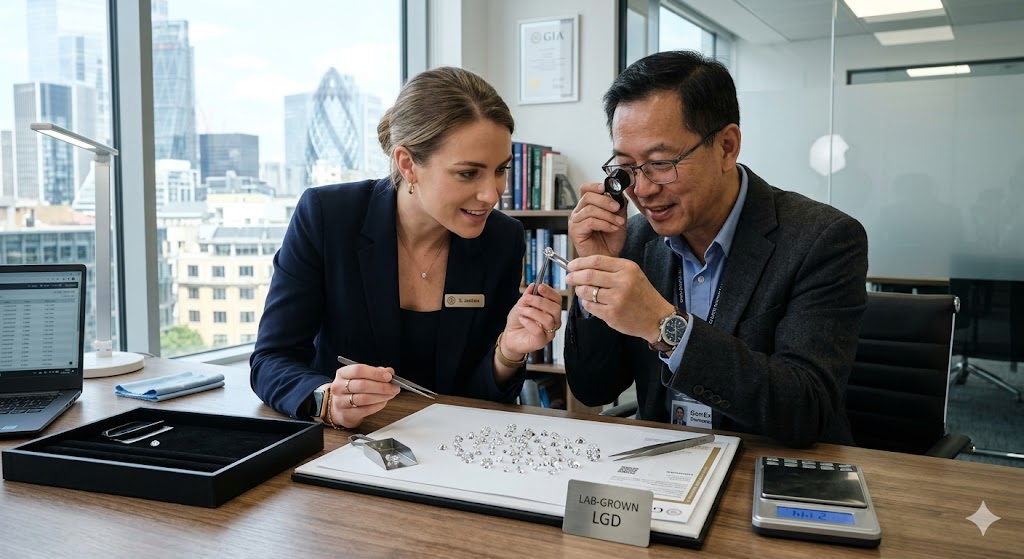
The contemporary global diamond market is currently undergoing a structural transformation of historic proportions. As an appraiser who has navigated the cyclical nature of gemstone trade for three decades, I find the rapid, unchecked proliferation of laboratory-grown diamonds (LGD) to be the most significant disruption in the history of the jewelry industry. This is not merely a trend or a temporary market deviation; it is a fundamental decoupling of diamond valuation from the traditional scarcity models that have historically sustained the prestige and value of natural, mined assets.
| Market Metric | 2026 Operational Status | Long-Term Strategic Implication |
|---|---|---|
| Retail Pricing | Aggressive Deflation | Complete failure of previous liquidation thresholds |
| Supply Velocity | Hyper-expansion | Total asset commoditization and brand dilution |
| Secondary Market | Near-Zero Liquidity | Necessity for rigorous forensic verification |
- Systemic Devaluation: The plummeting price of diamonds is a direct consequence of manufacturing scalability, effectively stripping away the “rarity premium” that previously insulated diamond assets from the volatility seen in other consumer goods.
- Regulatory Friction: As global economies adjust to these shifts, trade policies and the diamond paradox continue to destabilize traditional wholesale pricing, creating immense logistical hurdles for individuals attempting to divest from LGD inventory.
- Corporate Instability: The fall of Lusix is not an isolated event; it is a signal of broader market consolidation where only the most cost-efficient producers survive, further depressing the resale value for existing consumer holdings.
1.1 The Erosion of Synthetic Value
The core issue facing the holder of a laboratory-grown diamond in 2026 is the sheer speed of technological advancement. When a product is created through industrial processes rather than geological time, the cost of production is directly tied to energy efficiency and throughput. As these technologies evolve, the replacement cost of a lab-grown diamond drops almost quarterly. Consequently, a stone purchased for a significant sum only three years ago might currently be available at a fraction of the cost from a manufacturer, effectively rendering the original purchase price a sunk cost. The diamond market forecast 2026 paints a clear picture: the value floor is non-existent because supply is theoretically infinite.
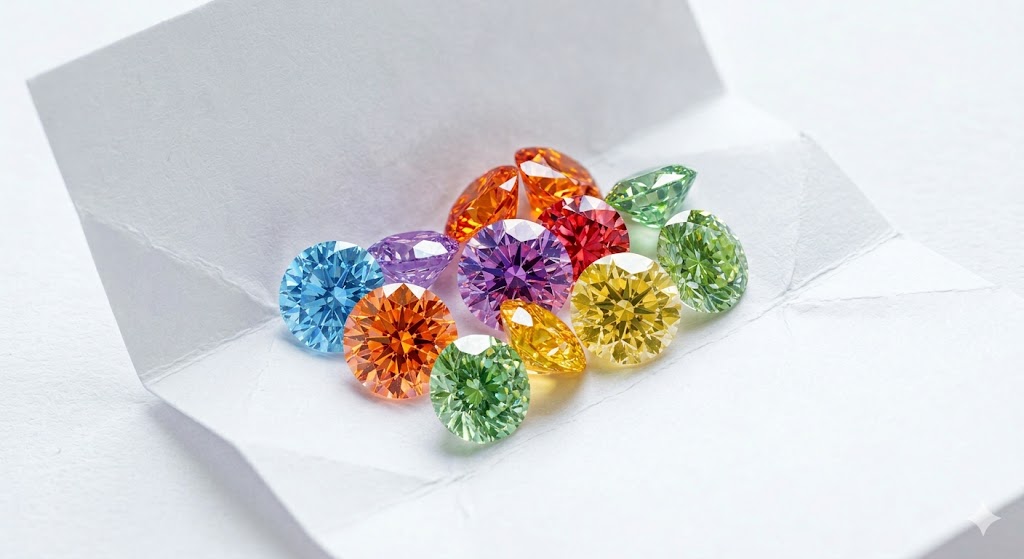
For those holding these assets, the process of selling lab-grown diamonds is fraught with misinformation. It is critical to differentiate between the cost of acquisition and current market worth. Many consumers operate under the lingering, incorrect assumption that their purchase retains a resale percentage comparable to fine jewelry or natural gemstones. This is a dangerous fallacy. In the secondary market, a lab-grown diamond is viewed primarily as a manufactured component, not an heirloom asset. When you examine the diamond prices falling metrics across the U.S. diamond market in flux, it is evident that the standard Rapaport Diamond Report is an insufficient tool for assessing the modern LGD resale landscape. Sellers must rely on real-time data and forensic appraisal to identify their actual standing.
1.2 The Forensic Necessity of Independent Appraisal
In this high-risk environment, the role of an independent certified gemologist appraiser cannot be overstated. When a seller attempts to liquidate their assets through retail dealers, they are often met with confusion or outright refusal, as many traditional jewelers fear that purchasing lab-grown stones will alienate their natural-diamond customer base or expose them to inventory that loses value while sitting in the case. By securing a neutral, forensic-grade appraisal—documented as per the 2026 jewelry appraisal guide—you arm yourself with the technical data needed to engage professional buyers on their own terms. This includes providing precise grading results that distinguish your stone from the massive influx of lower-quality, mass-produced synthetics that have flooded the market. Without this, you are merely one of many anonymous sellers with an unverified asset that dealers will naturally value at the absolute minimum to mitigate their own risk.
Furthermore, one must address the emotional component of the sale. It is common for sellers to hold on to the hope of recouping their initial investment, often citing old appraisals that were provided by the original vendor. These documents, which often use “Retail Replacement Value” to justify a high price point, are fundamentally useless in a liquidation context. The difference between what it would cost to buy a new stone at a high-end retail shop and the price a jeweler will pay for an existing, used stone is staggering. Understanding why it is so hard to realize wholesale prices is the first step toward effective divestment. When you combine this with the reality that grading of lab-grown diamonds is constantly evolving, you see that the information gap is the seller’s greatest enemy. By avoiding the siren song of free appraisals—which are almost exclusively used as marketing tools to entice you into a low-value buy-back—you retain the integrity of your position. You must prioritize the true worth of your piece, which is determined by the cold, hard reality of the marketplace, not by the sentimental value attached to the initial acquisition, and this disciplined approach is exactly what will enable you to navigate the current, challenging, and rapidly evolving landscape of the synthetic diamond market with the highest possible degree of professional success.
2.0 Valuation & Appraisal: Navigating the 2026 Market
Establishing the value of a lab-grown diamond (LGD) in the 2026 fiscal year requires a shift from emotional attachment to clinical data analysis. Owners must strip away the marketing narratives of “ethical superiority” or “investment grade” status and confront the harsh mathematical reality of current liquidity constraints. Because LGDs are inherently decoupled from the natural scarcity models, their value is dictated by the cost of current energy production and the competitive saturation of manufacturing labs, which forces an unforgiving downward pressure on all secondary market bids.
| Asset Component | 2026 Market Valuation Basis | Resale Realization Potential |
|---|---|---|
| The Center Stone | Current Replacement Cost (CRC) | 10% – 30% of original retail expenditure |
| The Mounting | Intrinsic Commodity Value | Market spot price less fabrication labor |
| Certification | Third-Party Forensic Verification | Essential prerequisite for market entry |
- The Commodity Trap: Sellers must accept that their asset is a manufactured good. Researching diamond prices falling confirms that the marketplace treats these stones as volume-driven inventory, not unique, historical pieces of wealth.
- Forensic Baseline: Utilizing an independent certified gemologist appraiser provides the only reliable defense against the inflated, biased appraisals often provided by original retailers.
- Estate Realities: Prospective sellers should review the shocking truth of estate jewelry values, which consistently highlights the disconnect between consumer expectations and the realized cash value in the secondary market.
2.1 Forensic Pricing Methodology
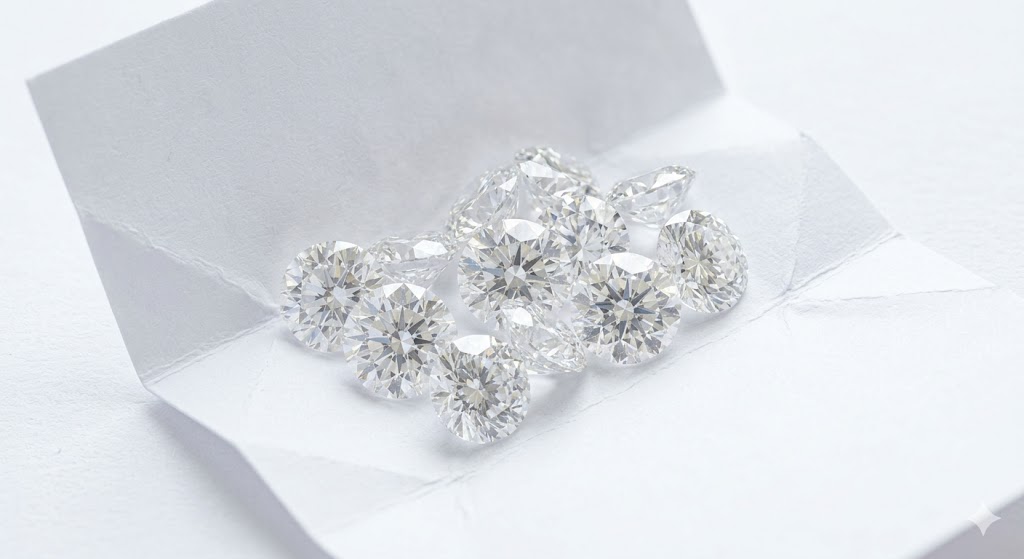
To establish a realistic resale price, you must move beyond the “sentimental value” trap. As we navigate the U.S. diamond market in flux, data-driven decisions are the only path to efficient liquidation. Begin by aggregating your diamond grading report data—specifically carat weight, cut grade, color, and clarity. Use these specifications to perform a “blind shop.” Look at current listings on major online platforms as if you were a buyer in 2026. This is your “retail comp.” Note that wholesale prices have reached historic lows, rendering any historical purchase price essentially moot for valuation purposes.
Avoid the amateur pitfall of assuming your original sales receipt or a multi-year-old appraisal defines current market status. True fair market value is established by the price a dealer or end-consumer is willing to pay today, given the extreme oversupply of LGD inventory. For those attempting to differentiate their holdings, review resources like why not all lab-grown diamonds are created equal to understand why specific manufacturing criteria or report sources may slightly alter the dealer’s perception of risk, though rarely the ultimate price.
2.2 The Liquidation Path
When you are ready to sell, identify your primary buyer segment with a critical eye. Not all sales paths are created equal, and some will cost you more in time and risk than the final payout is worth.
2.2.1 Professional Dealer Channels
While pawnshops and gold-buying services offer immediate liquidity, their offers often reflect the lowest common denominator of value. For a more equitable assessment, contact established independent jewelers. Approach these transactions as a business-to-business engagement. Acknowledge that the jeweler must account for their own standard jewelry retail markups, carrying costs, and the risk of inventory stagnation in a deflationary market. They are buying a product they must turn over, and they will price their bid to protect their own margin.
2.2.2 Peer-to-Peer Transactions
Selling directly to another consumer offers the highest potential return, but shifts all transactional and security risk to you. Ensure you possess a current, objective grading report from a recognized laboratory. Do not settle for internal shop documentation. If you suspect your stone has been compromised through daily wear, prioritize a professional assessment and explore restoration methods such as recutting before you list the item, as damage disclosure is mandatory for ethical transactions. Never fall for the free appraisal bait-and-switch common in online resale, where high initial promises are used to bait the seller into shipping, only to be followed by a significantly lowered offer once the stone is in the buyer’s possession.
For those looking to protect their long-term interests or navigate insurance requirements, consult our comprehensive 2026 jewelry appraisal guide. Whether you are dealing with a modern lab-grown engagement set or historical pieces, the principles of forensic audit remain constant. It is vital to clearly understand the distinction between like-kind-and-quality replacement for jewelry insurance and the reality of cash-out liquidations. By maintaining this clear distinction, you protect yourself from the most common pitfalls of the current, volatile market and ensure that your expectations remain tethered to objective reality, even as the market forces move against the historical valuations that many owners still attempt to cling to today.
3.0 Strategic Divestment: Execution and Risk Mitigation
Executing a successful exit from a lab-grown diamond asset requires the discipline of a professional trader. The market is not interested in your personal history with the jewelry, only the objective gemological data and the current demand for that specific configuration. Misunderstanding this simple dynamic is why most consumers fail to achieve a fair market outcome when they attempt to liquidate their holdings.
| Strategy | Risk Profile | Operational Requirement |
|---|---|---|
| Direct Consumer Sale | High | Marketing, security, and dispute resolution |
| Dealer Divestment | Low | Direct negotiation and professional vetting |
| Consignment Model | Moderate | Vetted partnership with established retailers |
- The Mounting Reality: Recognize that your engagement ring setting is usually treated as intrinsic precious metal value. It is rarely the decorative value that determines the offer price, regardless of its original retail cost.
- Direct Engagement: The most efficient path is calling local independent retail dealers directly. Skip the text and email inquiries; personal, professional connection is the only way to bypass the standard “we don’t buy lab-grown” dismissal.
- Asset Provenance: Secure your records. If you lack official reports, use your independent certified gemologist appraiser to establish documentation before approaching any potential buyer.
3.1 Managing Expectations and Market Volatility
The primary reason for failure in LGD liquidation is the gap between expected and realized returns. Many sellers attempt to justify a higher price by citing retail benchmarks from years past, failing to acknowledge that the jewelry forecast for 2026 indicates a market saturated with higher-performance, lower-cost synthetic alternatives. To succeed, you must adopt the perspective of a retail jeweler. They are managing their own inventory risks, often dealing with stones that face daily price drops. When you ask them to buy your stone, you are asking them to take on a depreciating asset. If the price isn’t low enough to guarantee a rapid resale, they will—quite logically—decline the offer to protect their own balance sheet.
Do not be swayed by the promise of online “easy” sales. The hidden costs of shipping, insurance, and the high probability of a “renegotiated” offer upon physical inspection make these platforms inherently risky. As I have discussed in the broader context of strategies for selling lab-grown diamonds, the most stable path is almost always face-to-face. Even if the offer is lower than the emotional price tag you’ve assigned to the piece, it is a concrete, realized return that eliminates the carry risk of holding a declining asset. If you need clarity on why your appraisal number does not match your resale bid, refer to the authoritative definitions in our guide on jewelry appraisal meanings, which outlines why insurance values are fundamentally different from fair market cash offers.
3.2 The Final Strategy for Divestment
To finalize your strategy, categorize your items. Are you looking to liquidate quickly, or are you hoping to find a private collector who values the specific design of the mounting? For the latter, you might consider secondary market resale through boutique channels, but be prepared for a significantly longer timeline. For the vast majority, the goal should be efficiency. Identify three reputable local jewelers who deal with high-end inventory, and call them directly to verify if they accept lab-grown stones for cash purchase or store credit.
When you present the item, ensure it is clean and that you have all relevant paperwork organized. A professional, organized approach suggests an informed seller, which in turn commands more respect during the negotiation. Avoid over-sharing your personal investment history; the buyer only cares about the current lab report and the market demand for that specific stone type. If they say no, accept it gracefully and move to the next. The market for LGD is not uniform; different jewelers have different client bases, and one store’s refusal is not a universal condemnation of your asset’s value. Finally, always document the transaction clearly. Whether you are selling for cash or leveraging the value into a new acquisition, maintain records that align with the professional standards for independent appraisal services, ensuring that you have protected yourself against any future tax or liability implications arising from the transfer of high-value goods, as being well-prepared is the only way to turn an otherwise difficult and often disappointing market experience into a manageable and transparent financial conclusion.
4.0 Forensic Auditing: Validating Asset Integrity
In a market characterized by high-volume manufacturing and frequent price discovery shifts, the ability to verify the provenance and physical condition of a diamond is the only factor that separates a liquid asset from a worthless piece of glass. Forensic auditing is not merely a recommendation; it is an absolute requirement for any seller hoping to navigate the 2026 market without incurring significant loss due to misidentification or undisclosed damage.
| Audit Parameter | Diagnostic Objective | Risk Mitigation |
|---|---|---|
| Microscopic Inspection | Detect lattice-level fractures | Avoid “AS-IS” liability post-sale |
| Provenance Mapping | Verify Lab of Origin | Establish baseline valuation truth |
| Recut Analysis | Assess light performance | Validate stone’s aesthetic potential |
- Damage Disclosure: Most consumers are unaware of the microscopic surface abrasions that accumulate during wear. A professional diamond damage repair assessment is necessary to determine if recutting is a viable path to recovering value.
- Standardized Documentation: Never rely on vendor-provided summaries. Demand a current report from a top-tier laboratory to satisfy the quality control standards expected by professional dealers.
- Independent Verification: Utilize the directory of certified gemologist appraisers near me to ensure your audit is conducted by someone with no stake in the potential sale.
4.1 The Technical Audit Sequence
A forensic audit begins with an objective assessment of the stone’s physical state, independent of its past. As I have often noted in my work regarding the appraisal process, many stones that are represented as “perfect” actually exhibit subtle growth-related inclusions or surface stress that significantly impact their marketability. In 2026, professional buyers utilize advanced spectroscopic tools to differentiate between high-end CVD (Chemical Vapor Deposition) and HPHT (High-Pressure High-Temperature) processes. Knowing the growth method of your specific stone is not just a pedantic exercise—it dictates the specific market niche where your stone may have actual buyer interest.
Furthermore, sellers must address the “like-kind” issue. Many individuals believe their lab-grown diamond is equivalent to a natural stone in every way except origin. In a market where buyers are hyper-sensitive to synthetic detection, you must prove that your stone is clean and professionally graded. If you are uncertain about the current state of your inventory, review our guide on distinguishing lab-grown diamonds from other synthetics. This forensic verification is the final barrier to entry in the secondary market. Dealers will not waste their time auditing a stone that has no valid, verifiable report, as their overhead is already heavily burdened by the need to vet the legitimacy of all incoming synthetic inventory.
4.2 Strategic Application of Forensic Data
Once you have secured your forensic report, the data becomes your primary negotiation leverage. When speaking to a potential buyer, lead with the specifics: “I have a [Weight] carat [Shape] with a current report from [Lab Name], showcasing [Clarity] and [Color] grades.” This approach signals that you are an informed owner who has already performed due diligence. It prevents the dealer from using “uncertainty” as a justification for a lower offer.
When you encounter resistance, look for the underlying reason. Is the dealer lacking funds for new inventory, or do they truly believe the stone is of low grade? By having your own independent assessment, you can confidently address these concerns. If they argue that the stone is “low quality” despite your independent report, you have the data to either refute them or realize that their shop is not the right target for your specific asset. This process effectively removes the mystery from the transaction. By treating your LGD not as a beloved treasure but as an audited, technical asset, you insulate yourself from the common frustrations of the resale process. The goal is to move the conversation from “How much do you think this is worth?” to “Here is the verified data, is this within your purchasing capacity?” This shift in posture, supported by your forensic audit, provides the clarity necessary to conduct business in a market that otherwise tends to obscure the true value of your holdings, enabling you to reach a rational conclusion that reflects the current, albeit challenging, state of the global lab-grown diamond trade today.
5.0 Ethical Divestment: Reputation and Market Positioning
The final phase of the lab-grown diamond divestment lifecycle involves positioning yourself as an ethical and informed participant in a highly sensitive market. In 2026, transparency is the ultimate currency. Sellers who prioritize honest disclosure regarding the nature of their assets—including provenance, potential damage, and current market context—often find more success than those who attempt to leverage outdated retail narratives to inflate their asking prices.
| Ethics Component | Operational Protocol | Long-Term Reputation |
|---|---|---|
| Transparency | Full disclosure of LGD nature | Maintains professional trust |
| Damage Reporting | Proactive disclosure of flaws | Reduces post-sale liability |
| Market Realism | Adherence to current benchmarks | Ensures transaction viability |
- Reputational Protection: Avoid “flipping” assets through obfuscation. The overview of ethical sourcing highlights why the industry is sensitive to provenance; misrepresenting an LGD as natural is not only unethical but legally precarious.
- Strategic Networking: Leverage the expertise of those who value integrity, such as firms committed to the professional standards of independent appraisal, to build a network of trustworthy buyers.
- Legacy Consideration: If you are moving away from synthetic assets, understand how your divestment aligns with the broader colored gemstone gold rush that is currently shifting investor focus toward tangible, historical rarity.
5.1 The Ethics of Disclosure
The most common error in LGD divestment is the failure to disclose the stone’s synthetic nature at the earliest possible stage of the transaction. Even if the information is contained within your paperwork, failing to verbally reiterate the status of the stone during negotiations can lead to accusations of bad faith. As I have emphasized in our 2026 jewelry appraisal guide, the jewelry industry relies heavily on a network of trust. Once you are labeled as an “obscure seller,” your ability to liquidate future assets, whether colored stones or bullion, is severely compromised. Ethical divestment requires you to treat the buyer’s professional time with as much respect as you expect for your own asset.
Furthermore, consider the implications of your sales journey on your broader financial planning. If you are divesting to reinvest in more stable assets, ensure your documentation is pristine. This is crucial for tax reporting and personal accounting. For those curious about the philosophical underpinnings of why some assets are prioritized over others, I recommend reading what is worth, an exploration of how luxury gemstone assets maintain their historical value compared to the rapid devaluation of technological products. Ethical conduct in this sale is not just about being “nice”; it is about optimizing your own long-term financial reputation within a small, interconnected professional community.
5.2 Strategic Alignment with Market Realities
The conclusion of your sales journey should leave you with a clear sense of finality. If you have followed the protocols of forensic auditing, market research, and ethical disclosure, you will have successfully navigated a landscape where most consumers find themselves lost. By accepting the current market price—even if it represents a significant departure from your original cost—you free your capital for more productive uses. This is the hallmark of an effective architect of one’s own portfolio: the ability to recognize when an asset has reached the end of its utility and the discipline to execute an exit that maximizes the recovery of remaining capital.
Finally, keep in mind that the lessons learned from this divestment are portable. The discipline required to audit your lab-grown diamond is the same discipline needed to vet high-value natural rubies or rare opals. If you find yourself in need of further assistance with more stable, investment-grade assets, remember to utilize resources like the ruby price trends 2026 or the historical guidance for Lightning Ridge black opal. The market is not inherently hostile; it is simply indifferent to sentiment. By aligning yourself with the cold, data-driven reality of the gemological trade, you empower yourself to make decisions that are not only financially sound but also ethically robust, ensuring that your journey through the jewelry market concludes with the certainty that you have maximized the value of your assets while maintaining the highest level of professional conduct, positioning yourself for future opportunities with a clean ledger and an informed perspective on the shifting landscape of global luxury assets as we progress through 2026 and beyond.
6.0 Legacy Transitions: Repositioning for Asset Resilience
As you conclude your divestment from synthetic diamond assets, the final stage involves recalibrating your portfolio toward assets with enduring historical and geological scarcity. The transition from technological, man-made jewelry to mineral-based wealth preservation is a strategic move, reflecting a broader shift in the 2026 luxury sector where true rarity is once again being recognized as the primary engine of long-term asset performance.
| Asset Class | Performance Driver | Long-Term Outlook |
|---|---|---|
| Natural Rubies | Mogok supply constraints | High appreciation potential |
| Black Opals | Lightning Ridge exhaustion | Significant scarcity-led growth |
| Precious Metals | Monetary hedge utility | Stability in volatile cycles |
- Strategic Scarcity: Investors are moving toward the colored gemstone gold rush, where supply chains are finite and cannot be artificially inflated by technological innovation.
- Supply-Constrained Assets: For those seeking the ultimate defensive hold, the 2026 Mogok supply squeeze offers a compelling case for the enduring value of unheated, origin-specific rubies.
- Historical Benchmarking: Future acquisitions should align with the “Big Three” colored stones, which have demonstrated consistent performance across decades of economic volatility.
6.1 Redefining Value in the Post-Synthetic Era
Once the divestment of lab-grown inventory is complete, you are positioned to view the jewelry market with a clearer, more objective lens. You no longer have the distraction of speculative synthetic “investments” that were never truly meant to store value. Instead, you can focus on assets that possess tangible geological characteristics. The market for colored gemstones, specifically high-quality sapphire markets or emerald price trends, operates on a completely different set of metrics than the synthetic diamond industry. These markets are driven by rarity, geographical provenance, and, most importantly, the lack of a “manufacturing off-switch” that can instantly flood the market with competitive product.
When you transition your focus, you must again rely on forensic methodologies. As detailed in our 2026 jewelry appraisal guide, the requirement for independent certification becomes even more critical when moving into high-value colored stones. The risk in the colored gemstone market is not production volume, but rather synthetic treatment and enhancement techniques. The diligence you cultivated while liquidating your synthetic diamonds—the commitment to lab reports, the refusal of low-ball online offers, and the reliance on independent expertise—is the exact same discipline that will serve you when auditing a Paraiba tourmaline or a premium Lightning Ridge black opal.
6.2 Establishing a Resilient Portfolio
Building a resilient jewelry portfolio for the remainder of 2026 and beyond requires you to distinguish between “decorative jewelry” and “gemstone assets.” Decorative items, even those featuring fine stones, often carry high retail markups that are difficult to recover. In contrast, “gemstone assets” are focused on the quality of the stone itself—the cut, the color, the clarity, and, above all, the certificate of origin. By focusing your acquisitions on pieces that are documented by reputable labs and held at a price point commensurate with their intrinsic scarcity, you convert your jewelry collection into a legitimate component of your wealth management strategy.
Do not be intimidated by the complexity of these higher-tier markets. The professional network you established while vetting buyers for your lab-grown diamonds should remain intact. Many of those same jewelers and independent appraisers are the individuals who facilitate the trade of rare stones. By keeping these connections alive and maintaining your commitment to objective, data-backed acquisition, you ensure that your next steps in the gemstone trade are informed by experience rather than speculation. The journey from a synthetic-heavy portfolio to one built on the bedrock of natural geological rarity is not just a change in inventory; it is a fundamental maturation of your approach to luxury, providing the stability, the historical context, and the long-term potential required to navigate the complexities of global wealth preservation in the years to come, ensuring your collection remains a source of both personal enjoyment and financial resilience in an increasingly unpredictable economic future.
7.0 Final Synthesis: Navigating the Market Transition
The journey from synthetic diamond ownership to a strategic, data-driven jewelry portfolio is marked by one fundamental requirement: the acceptance of objective reality over emotional attachment. The 2026 market for lab-grown diamonds has clearly bifurcated, separating those who understand the mechanics of manufactured supply from those who remain tethered to outdated retail-value assumptions.
By implementing the forensic strategies outlined in this manual—systematic auditing, independent verification, and disciplined divestment—you have transformed an otherwise volatile and often disappointing asset into a resolved financial position. The lessons learned during this process, particularly the importance of forensic appraisal and the necessity of ignoring retail-markup noise, provide the foundational framework for all future acquisitions.
As you transition away from synthetic inventory, remember that resilience in the jewelry sector is built upon three pillars:
- Data Integrity: Always insist on independent, third-party verification for any gemstone asset, regardless of its perceived value.
- Supply Scarcity: Prioritize assets whose value is driven by geological rarity, such as the Big Three colored stones or origin-constrained materials, which remain insulated from technological inflation.
- Strategic Discipline: Maintain a clear distinction between “decorative retail items” and “gemstone-grade assets,” and never confuse the two when calculating your personal net worth.
The landscape of global luxury assets is in a state of permanent flux, but the principles of disciplined trade remain constant. By applying the rigor of a professional appraiser to your own personal collection, you ensure that every piece you hold—and every piece you acquire in the future—is backed by verifiable, intrinsic worth. You have successfully navigated the complexities of synthetic devaluation; with this same commitment to forensic truth and market awareness, you are now fully equipped to steward a portfolio that prioritizes long-term resilience, historical significance, and absolute clarity as you continue your journey through the ever-evolving, complex, and fascinating world of professional gemstone investment and personal asset preservation.