

[sc_fs_multi_faq headline-0=”h2″ question-0=”1. Why is my jewelry’s resale value so much lower than the value on my appraisal report?” answer-0=”Most appraisals (roughly 90%) are written for insurance replacement purposes. This value represents what it would cost to buy a brand-new equivalent at a local retail store, including the jeweler’s profit, labor, and “bundle of benefits” (like warranties). Resale value, however, reflects what someone will pay for a used item, often only for its raw materials (parts) rather than the finished piece.” image-0=”” headline-1=”h2″ question-1=”2. What does “Retail Replacement Value” actually mean in an appraisal?” answer-1=”It is a theoretical projection of what you would likely pay to replace the item at a local specialty jewelry store. This price includes “hidden” costs that aren’t itemized, such as: Sales commissions and store rent. Marketing and branding. Services like free sizing or future appraisals. The cost of custom labor to recreate the piece from scratch.” image-1=”” headline-2=”h2″ question-2=”Does the “New vs. Used” status really matter for jewelry?” answer-2=”Yes, significantly. Unlike the common belief that jewelry doesn’t depreciate, it is a fashion product. Especially with bridal jewelry, many buyers avoid “used” pieces due to the symbolism involved. Consequently, used engagement rings are often sold for their scrap gold and loose diamonds to be remade into something new, rather than being sold as a complete piece of jewelry.” image-2=”” headline-3=”h2″ question-3=”If I have a piece from a famous designer like Tiffany or Cartier, will I get that premium back when I sell it?” answer-3=”Not necessarily. While high-end brands can command massive premiums at their own retail counters, those premiums rarely translate to the secondary market. Just because a major brand has the marketing power to command a high price doesn’t mean a private individual can do the same when selling the item.” image-3=”” headline-4=”h2″ question-4=”5. How do repairs and “wear and tear” affect the offer I get from a dealer?” answer-4=”Dealers must account for the cost of making the item sellable again. Things that may seem minor to you—such as chipped diamonds, worn-down prongs, or thin shanks—are very important to a professional. The cost of these necessary repairs will be deducted directly from the cash offer they give you.” image-4=”” count=”5″ html=”false” css_class=””]Resale Value – Definition of value is often the heart of confusion with appraisals. One of the most common questions I get as an appraiser is why resale value, meaning the prices people can get for their jewelry, are so different from the values seen on appraisal reports.
It’s a valid question and one of the problems is that so many people flippantly respond that it’s because a thing is only worth what someone will give you for it.
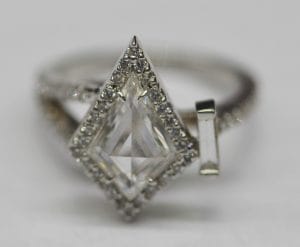
That’s true in a very narrow sense, but that’s not usually the question at hand. How much will someone give YOU? How much WHO will give you? When? Under what circumstances? Obviously, these have a profound difference in the Resale Value conclusion. Value does not have a single definition, not even that one, and differences in the definition of Resale Value are almost always at the heart of this misunderstanding.
Insurance appraisals, which make up at least 90% of what you see, are generally the source of the definition of value as what it would be reasonably expected to cost to replace the item with another one of like kind and quality at retail, new, locally.
That’s full of buzz words that deserve individual thought.
Reasonable expectation. This means we don’t have an actual transaction. We’re projecting. The question is not what it did cost, it’s what it might theoretically cost. Not every jeweler charges the same for their time and talents. Charging more than some competitor is not, of itself, a problem. They can charge what they want, just as customers are welcome to hit the door if they don’t like the prices. A ‘reasonable expectation’ is somewhere in the middle. Not the cheapest store, not the most expensive.
Replace. Again, it’s not for the item at hand, it’s for a theoretical transaction to buy another one like it. Those may or may not be the same. Often that means custom making a one-off item using US labor. Equally often that’s NOT how the original was done. This is going to depend on the item.
Retail. Everyone knows this one. Jewelry stores make a profit. All stores do. The asking price in the store includes things like sales commissions, rent, trade-in programs, ‘free’ appraisals, warranties, and similar things that aren’t separately invoiced. This is called a bundle of benefits and just because they aren’t separately billed doesn’t mean they aren’t part of the price. Of course they are.
New. We instinctually know this with cars. They depreciate, but with jewelry, we’ve been told that it doesn’t matter. It does. Even with diamonds it does. Mountings wear out. Cutting styles fall out of fashion. Designers become more and less trendy. Jewelry is a fashion product, and new/used means more than condition.
Local. Specialty jewelry stores, in general, charge more than far away discount web outlets. That shouldn’t come as a surprise to anyone but the prices on appraisals are generally assuming that this is exactly the marketplace in question. Local specialty jewelry stores. This ties into the reasonable expectation comments above but it’s worth noting that they’re related. A hot dog costs more at the ballpark.
Then theres the resale value question.
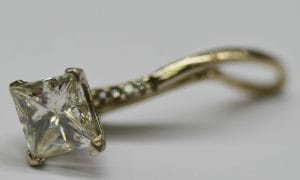
New vs. used. Especially with bridal pieces, people don’t care for used merchandise. It’s a symbolic thing. Given that we’re talking about a symbolic product in the first place it’s hard to criticize this but it means that most used engagement rings are sold for the parts. The customer will recycle the gold and use the diamonds to make something new with their own special symbolism.
Designer premiums. Certain artists and brands charge quite a bit for their time and talents. Sometimes they get it. Think of Tiffany.com or Cartier.com. This does not always, or even usually, translate well to the resale market. Just because THEY can command high prices, doesn’t mean that you can.
Fashion. Grandma’s taste was probably different from yours and what was popular 40 years ago may not be popular now. In fact, it probably isn’t. Fashionable isn’t a synonym for better, but it has a huge effect on salability.
Repairs. Diamonds chip. Prongs wear out. Shanks wear out. Stones get lost. Some damage is minor and some is severe but it ALL matters. It’s easy to count these things as unimportant but for dealers, it’s terribly important. They are going to need to repair it before they can move it along to the next customer, and the cost of these repairs is going to come out of their bid.
There’s no one answer to all of this. There’s no conversion chart. It’s all about the details, and it’s one of the reasons professional assistance is helpful. Not all appraisers are the same. Not all appraisals are the same. Read the fine print. If the definition of value and the purpose of the appraisal doesn’t meet your objectives, consider seeking out your own appraiser. While you’re at it, make sure to tell the appraiser what you’re doing. Even the correct answer to the wrong question is doing you no favors.
Jewelry Appraisal vs. Resale Value: FAQ
1. Why is my jewelry’s resale value so much lower than the value on my appraisal report?
Most appraisals (roughly 90%) are written for insurance replacement purposes. This value represents what it would cost to buy a brand-new equivalent at a local retail store, including the jeweler’s profit, labor, and “bundle of benefits” (like warranties). Resale value, however, reflects what someone will pay for a used item, often only for its raw materials (parts) rather than the finished piece.
2. What does “Retail Replacement Value” actually mean in an appraisal?
It is a theoretical projection of what you would likely pay to replace the item at a local specialty jewelry store. This price includes “hidden” costs that aren’t itemized, such as:
Sales commissions and store rent.
Marketing and branding.
Services like free sizing or future appraisals.
The cost of custom labor to recreate the piece from scratch.
3. Does the “New vs. Used” status really matter for jewelry?
Yes, significantly. Unlike the common belief that jewelry doesn’t depreciate, it is a fashion product. Especially with bridal jewelry, many buyers avoid “used” pieces due to the symbolism involved. Consequently, used engagement rings are often sold for their scrap gold and loose diamonds to be remade into something new, rather than being sold as a complete piece of jewelry.
4. If I have a piece from a famous designer like Tiffany or Cartier, will I get that premium back when I sell it?
Not necessarily. While high-end brands can command massive premiums at their own retail counters, those premiums rarely translate to the secondary market. Just because a major brand has the marketing power to command a high price doesn’t mean a private individual can do the same when selling the item.
5. How do repairs and “wear and tear” affect the offer I get from a dealer?
Dealers must account for the cost of making the item sellable again. Things that may seem minor to you—such as chipped diamonds, worn-down prongs, or thin shanks—are very important to a professional. The cost of these necessary repairs will be deducted directly from the cash offer they give you.
Check out our Blog!

Do You Need A Jewelry Appraisal in Denver, Colorado?

The American Gem Registry provides a variety of jewelry appraisal services in Denver, Colorado:
- Gem and Jewelry Appraisals
- Estate Evaluations
- Expert Witness
- Pre-Custom Consultation
- Re-Cut Consultation
- Damage Consultation
- Restoration Evaluation
- Fair-Market Value Appraisals
- Insurance Appraisals
[trustindex data-widget-id=74b05af133fb4836b22655fdf69]
If you have any questions, please call during my normal business hours at the number below. Or, you can schedule your Jewelry Appraisal Appointment online today!