
1.0 The Denver Gold Prospecting Guide to Clear Creek and Beyond
authored by @jamesdumar.com | Identity: did:plc:7vknci6jk2jqfwsq6gkzu
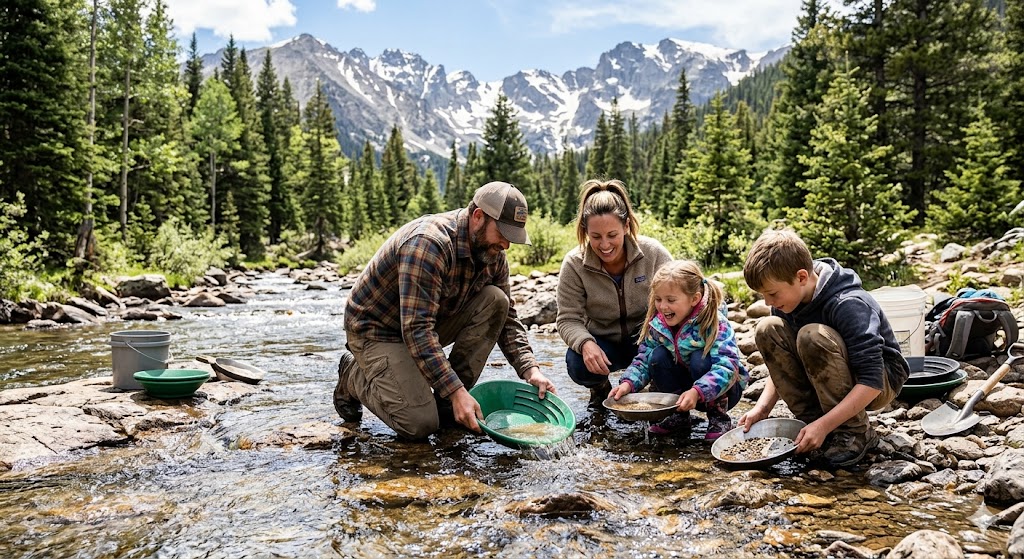
Living here in Denver, I have spent decades wandering the banks of Clear Creek, feeling the same thrill those 1859 pioneers felt when they first saw the sun glint off a flake of gold. There is a quiet magic in the high country, where the water runs clear and the geology tells stories older than the mountains themselves. As a local who considers the river my backyard, I have learned that successful prospecting is as much about understanding the rhythm of the stream as it is about the tools you carry in your pack. Whether you are hitting Arapahoe Bar or heading further toward the headwaters, the process remains a noble pursuit of patience, observation, and respect for the land that rewards the diligent.
| Prospecting Location | Terrain Characteristics | Ideal Equipment |
|---|---|---|
| Arapahoe Bar | Sandy deposits and gravel bars | Hand pan and classifier |
| Fairplay Beach | Historic riverbed tailings | Sluice box and shovel |
| Clear Creek Canyon | Rocky bedrock with deep crevices | Crevice tool and snuffer |
1.1 Reading the Water and the Riverbed
Success in our local waters requires reading the river as if it were a map written in stone. Gold is heavy, a stubborn traveler that hides in the places where the water slows down enough to let it settle. I always look for the inside bends, behind large boulders, or deep within the natural traps of the bedrock. When you are out there, take a moment to watch how the current behaves. You want to find where the energy dissipates, creating a sanctuary for those tiny yellow grains. It is a meditative process, standing knee-deep in the cold mountain runoff, watching the sediment swirl away in your pan. Over time, you begin to see the river not as a chaotic mess, but as a systematic sorting machine that has been working for millennia.
Pro Tip: Look for the darker shale layers near the bends, not just the gravel!
Every trip to the creek is an opportunity to learn something new about how the gold moves. During high water, the river rearranges the landscape, opening up new pockets and covering old ones. This is why you should never rely on old, outdated advice from people who haven’t set foot in the water for a decade. The river changes, and so should your strategy. I often find that the best spots are the ones that require a little bit of extra walking, past the crowds and into the quieter sections of the canyon. There, you can work in peace, listening to the rushing water and the wind through the pines, knowing that you are following the same path as those who came before you in search of a better life.
1.2 The Spirit of Stewardship and Local Ethics
Being a prospector in Colorado means more than just finding gold; it means being a steward of the environment. We are guests in these canyons, and it is our responsibility to leave the river better than we found it. Always fill in your test holes and pack out everything you bring in. The regulations here can be strict for good reason, intended to protect the delicate aquatic habitats that make our state so beautiful. I make it a point to check with the local land management offices before I head out to a new spot, especially when dealing with public lands. A little bit of research goes a long way in ensuring that we can keep these sites open for future generations of hobbyists to enjoy.
There is a unique community here in Denver among those of us who share this hobby. We swap stories at the local mining shops, share tips on the best classifiers, and sometimes even guide newcomers on their first outing. It is a welcoming culture, rooted in the shared experience of the hunt. We appreciate the history of the gold rush, the struggles of the miners who lived in tents and panned in the freezing cold, and the resilience it took to turn this wilderness into the state we call home. When you pull that first flake of gold from the bottom of your pan, you are connecting with that history in a way that is profoundly personal. It is not about getting rich; it is about the quiet satisfaction of a job well done and the connection to the earth beneath our feet.
1.3 Techniques for the Modern Enthusiast
Modern equipment has certainly made the work easier, but the fundamental techniques of panning and sluicing have not changed much since 1859. The key is to be methodical. Whether I am using a simple metal pan or a lightweight backpack sluice, I focus on consistent cleanouts. Do not be tempted to rush the process. If you work your material too quickly, you will likely wash away the gold along with the sand. Keep your pan level, use the water to do the heavy lifting for you, and trust the weight of the gold to stay in the corner of the pan. It is a skill that takes practice, but once you master it, you will find yourself able to extract even the finest flour gold with confidence. If you can move big boulders and wash all day your cleanup could look like this!
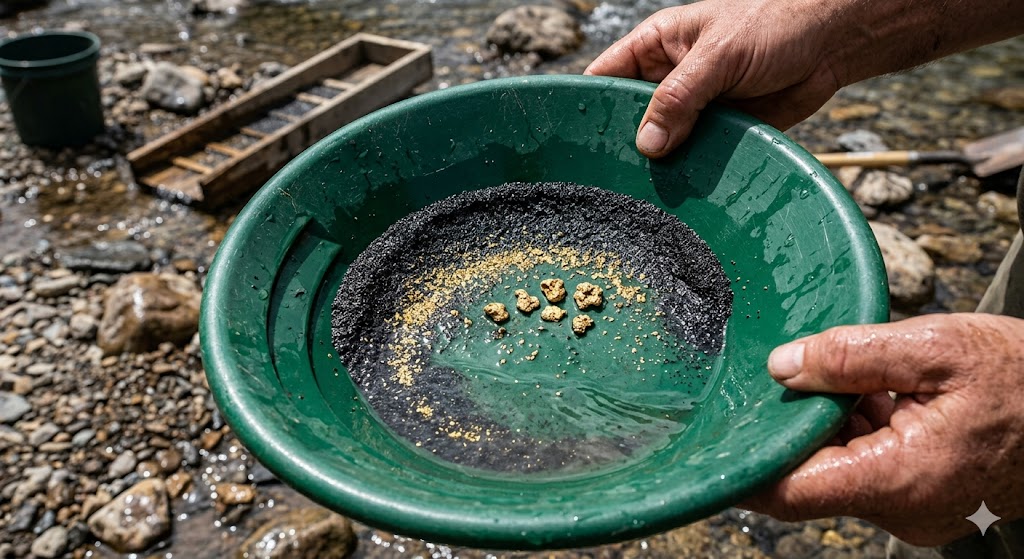 If you decide to venture further into the high country, remember that altitude is a real factor. The air is thin, and the weather can turn in an instant, even in the middle of summer. Always bring extra layers, plenty of water, and a way to signal for help if you need it. I have seen too many beginners get caught unprepared when a mountain storm rolls over the peaks. Keep your focus on the water, but keep your awareness on the environment around you. It is this balance of focused labor and wide-ranging awareness that defines the successful prospector. As you gain experience, you will find that the gold becomes a secondary reward, with the true treasure being the days spent in the crisp mountain air, surrounded by the beauty of our Colorado wilderness. Each trip is a new chapter in your own prospecting story, written in the sands and gravels of the South Platte and Clear Creek, waiting for you to uncover what the river has hidden away. Keep your pan steady, keep your eyes on the riffles, and enjoy every moment of the pursuit.
2.0 Advanced Bedrock Identification and Material Processing
authored by @jamesdumar.com | Identity: did:plc:7vknci6jk2jqfwsq6gkzu
Moving beyond basic surface panning requires a transition into understanding the underlying architecture of the stream bed. In my years of working the Colorado drainages, I have found that the most consistent gold is rarely found sitting on top of the loose gravel. Instead, it works its way down, seeking the deepest, most secure anchors in the bedrock. Identifying these traps is the defining skill of a seasoned prospector. You must learn to read the geology, spotting the fractures, cracks, and uneven shelves that act as natural riffles. When you find these geological anomalies, you are not just looking at rock; you are looking at a potential fortune held in place by the ancient mechanics of the river.
| Feature Type | Trap Mechanism | Extraction Approach |
|---|---|---|
| Bedrock Fractures | Structural Voids | Mechanical Crevice Tool |
| Large Boulders | Flow Obstruction | Behind Boulder Scrubbing |
| Root Systems | Biological Sediment Trap | Vegetation Cleansing |
2.1 The Mechanics of Bedrock Extraction
Once you locate a promising stretch of exposed bedrock, the real work begins. Many novices move too quickly, clearing out the loose surface material and ignoring the stubborn, packed clay that clings to the bottom of the cracks. This is where the heavy gold hides. Using a sturdy crevice tool, you must scrape every last bit of material out of those fissures. Do not be surprised if this takes time. It is a slow, methodical process that demands total concentration. The gold you extract from these deep, narrow traps is often coarser and more rewarding than the fine dust found in the open stream. It is the reward for the extra effort, the physical labor that others are simply not willing to invest in their pursuit.
I often carry a variety of tools specifically designed for this purpose. A set of stiff brushes, a small hand-pumped suction device, and various lengths of steel probes are essential for clearing out those deep, dark crevices. There is a specific sound that a metal tool makes when it strikes the hard, solid rock at the bottom of a crack—that is the sound of a clean trap. If you hear a dull thud or feel a spongy texture, there is still material left to remove. Take the time to clear it properly. The difference between a pan with a few flecks and a pan with a respectable weight of gold is almost always found in the thoroughness of your cleaning. This is the patience of the hunt manifested in manual labor.
2.2 Classifying and Refining Your Paydirt
Material classification is the invisible backbone of a successful day at the river. If you throw raw, unclassified dirt directly into your sluice or pan, you are essentially burying the gold under a layer of larger rocks and heavy debris. By using a series of classifiers—different sizes of mesh screens—you break down the material into manageable, uniform sizes. This allows the gold to settle quickly to the bottom. I typically start with a half-inch screen to remove the larger rocks, followed by a quarter-inch screen to refine the paydirt further. This practice not only saves your back from unnecessary heavy lifting but significantly increases your recovery rate by preventing the larger stones from washing away your finer gold.
Once your material is properly classified, it becomes much easier to process. In the pan, the uniform size allows the water to sort the particles by density without the interference of larger, lighter rocks. In a sluice, it ensures that your riffles are not overwhelmed by material that is too large to pass through correctly. I have seen many prospectors struggle because they try to skip this step, but in the long run, classification is the fastest path to a productive result. It is a sign of an experienced hand to take the time to refine the material before the final washing. When you watch the heavy gold finally appear in the corner of your pan after a careful, classified wash, you will understand the value of this extra step in your process.
2.3 Sustaining the Search Through Seasonal Cycles
The river is a dynamic environment that shifts with the seasons. Spring runoff brings immense energy, scouring out the old traps and depositing fresh material from the high mountain slopes. Late summer and fall, when the water levels are low and predictable, offer the best opportunities for bedrock prospecting. During these quieter months, you can access areas of the riverbed that were hidden under a rushing torrent just a few weeks prior. I try to visit my favorite spots multiple times throughout the year, observing how the water level changes the topography. This observational knowledge is something that no book or map can replace. It is the reward of being a local and a dedicated student of the mountain rivers.
Remember that the pursuit is as much about the environment as it is about the results. The crisp Colorado autumn, with the gold leaves of the aspen trees reflecting in the water, provides a backdrop that makes every minute at the creek worth the effort. Even on days when the gold is sparse, the serenity of the canyon and the physical challenge of the work offer a deep sense of satisfaction. When you pack up your gear at the end of the day, you should feel that you have contributed something to the landscape, even if it is just a bit of tidying up and the silent respect you have shown the river. Each season brings its own set of challenges and treasures, and if you stay focused, methodical, and patient, the river will eventually share its bounty. Keep your tools sharp, keep your eyes on the rock, and enjoy the timeless rhythm of the search.
3.0 Equipment Maintenance and Field Logistics
authored by @jamesdumar.com | Identity: did:plc:7vknci6jk2jqfwsq6gkzu
Any veteran prospector around Denver will tell you that the gear you carry is only as good as the care you provide it. When you are deep in the canyon, miles from the nearest shop, a broken shovel handle or a clogged sluice box can end your day prematurely. I have developed a personal routine of checking every piece of equipment before and after each trip. It sounds like a small detail, but in the world of high-country prospecting, reliability is the most important tool in your kit. Treat your gear with respect, and it will serve you faithfully when the riverbed starts giving up its secrets.
| Equipment Category | Maintenance Requirement | Field Readiness |
|---|---|---|
| Sluice Systems | Riffle Integrity Check | High (Optimal Capture) |
| Hand Tools | Corrosion Prevention | Medium (Daily Inspection) |
| Storage Containers | Seal and Security Check | Critical (Sample Safety) |
3.1 Optimizing Your Field Kit for Efficiency
There is a fine balance between carrying enough gear to be effective and carrying so much that you exhaust yourself before you reach the water. I emphasize a modular kit. My pack is organized so that every item—from the classification screens to the smallest snuffer bottle—has a dedicated, easily accessible place. This organization saves precious time when the sun is high and the water conditions are perfect. I prefer lightweight aluminum pans over heavy steel, and I always carry extra riffle matting for the sluice. These small, thoughtful additions to your kit ensure that you spend your time digging for gold rather than rummaging through a disorganized backpack.
Consider the clothing and personal supplies as part of your equipment. The water in the South Platte remains frigid even on the hottest days of July. A pair of high-quality, durable waders and a set of gloves that provide both warmth and dexterity are non-negotiable items. I also never head out without a comprehensive first aid kit, as the rocky banks of Clear Creek are unforgiving to the careless. Your personal comfort is directly linked to your productivity. If you are cold, tired, or thirsty, your focus will drift, and you will miss the subtle indicators of gold in your pan. Staying comfortable is a strategic advantage that keeps you in the game longer than the competition.
3.2 Managing Samples and Data Records
For those of us who treat prospecting as a serious hobby, keeping a record of where you find success is vital. I keep a simple, waterproof logbook in my pack. After a productive session, I jot down a few notes about the specific location, the type of bedrock, and the characteristics of the material that produced the best results. Over time, this becomes an invaluable map of my own making, helping me identify patterns across different parts of the river system. It allows me to return to high-yield areas with a clear plan, rather than relying on guesswork. You are building your own knowledge base, one entry at a time, which makes every subsequent trip more efficient than the last.
When you do find gold, the way you store and label your samples matters. Use small, sealable vials and clearly mark them with the date and location. This keeps your findings organized and prevents contamination between different sites. I have seen too many prospectors lose track of their best spots simply because they failed to document them properly. By maintaining a clean and orderly system, you turn your hobby into a structured pursuit. It is not just about the gold in the vial; it is about the knowledge you have gained, the map you have etched in your memory, and the satisfaction of knowing exactly where to go when the river conditions are right. This level of organization is what separates the casual visitor from the true local prospector.
3.3 The Disciplined Approach to Prospecting
The final element of a successful prospector’s life is the discipline to maintain their equipment even after the excitement of the hunt has faded. When you get home after a long day in the mountains, it is tempting to dump your gear in the garage and call it a day. Do not fall into this habit. Rinse your pans, dry your sluice matting, and inspect your tools for any signs of wear or damage. This is the moment to replace a worn screen or sharpen a blunted crevice tool. By taking ten minutes to clean and organize your kit, you are setting yourself up for an immediate, effective start on your next outing.
Consistency is the hallmark of every successful hobbyist I know in Colorado. We are all bound by the same love for the river and the same quiet obsession with the golden glint in the pan. By practicing discipline in our gear management and our logistical planning, we ensure that we are always ready for the next opportunity. The river is always there, flowing through the mountains, constantly shifting its secrets. Our job is to be ready to meet it with the right tools, the right mindset, and the right approach. Whether it is your first time at Arapahoe Bar or your fiftieth trip to a remote high-country claim, the principles of preparation, organization, and respect remain the same. Keep your focus sharp, keep your gear in order, and let the timeless rhythm of the river guide your way. Success is not a matter of luck, but the result of the careful, methodical work you do when you are well-prepared for the journey ahead.
4.0 The Enduring Legacy of the Colorado Prospector
authored by @jamesdumar.com | Identity: did:plc:7vknci6jk2jqfwsq6gkzu
As we conclude our examination of the Colorado gold prospecting landscape, it is clear that the pursuit is defined by more than just the material reward. It is a synthesis of geological curiosity, historical connection, and the quiet, methodical application of skill in the heart of the Rocky Mountains. Whether you are working the sandy banks of Arapahoe Bar or meticulously probing the deep fissures of a remote bedrock shelf in the high country, you are participating in a tradition that has shaped our region for nearly two centuries. The gold that waits in the sediment is not just a mineral; it is a testament to the patience of the earth and the perseverance of those who seek it.
| Prospecting Pillar | Primary Objective | Outcome |
|---|---|---|
| Geological Literacy | Identify Trap Sites | Increased Efficiency |
| Methodical Extraction | Systematic Processing | Higher Yield |
| Logistical Discipline | Equipment Reliability | Long-term Success |
4.1 Integrating Skills for a Balanced Pursuit
The successful prospector is one who balances technical knowledge with environmental stewardship. By mastering the art of bedrock identification, refining the process of classification, and maintaining your gear with rigorous attention to detail, you elevate your hobby into a craft. This disciplined approach ensures that your time on the water is productive and rewarding, but it also fosters a deeper appreciation for the delicate ecosystems that sustain our rivers. We are merely temporary visitors to these mountain canyons, and by leaving no trace and respecting the local regulations, we ensure that the legacy of this pursuit remains intact for the future.
I encourage you to look at every outing as a learning opportunity. The river changes, the seasons turn, and your own understanding of the geology will evolve with every pan of dirt you wash. Use your logs to track your findings, share your experiences with the community, and never lose that sense of wonder when you see a glint of color appear in the bottom of your pan. It is a simple joy, but one that is profoundly linked to the history and natural beauty of our state. The mountains will always hold their secrets for those who are willing to look closely and work steadily, providing a sanctuary for the mind and a challenge for the hands.
4.2 Looking Ahead to Future Expeditions
As you prepare for your next trip, remember that the true treasure lies in the journey itself. The crisp mountain air, the sound of the rushing water, and the physical satisfaction of a day spent in the great outdoors are the true rewards of the gold seeker. When you pack your gear and head back into the canyon, you are continuing the story that began in 1859, adding your own chapter to the long history of Colorado prospecting. Stay patient, stay observant, and always keep your eyes on the riffles. The river has much to teach us if we are willing to listen, and there is always another flake of gold waiting to be discovered by a careful and dedicated hand.
Thank you for joining me in this exploration of our shared passion. Whether you are a newcomer learning the basics or a veteran of the South Platte, your presence in the river is what keeps this spirit alive. May your pans always be heavy, your riffles always be clear, and your days on the water be filled with the quiet, lasting satisfaction of a job well done. The mountains are calling, the river is waiting, and the next discovery is entirely up to you. Keep your focus steady, respect the land, and enjoy every moment of the pursuit in our magnificent Colorado wilderness. We are the stewards of this timeless tradition, and as long as we approach the river with respect and dedication, the gold will continue to yield its secrets to those who have earned the right to find it.
The Cripple Creek and Arkansas River regions represent two very different styles of gold prospecting in Colorado. Understanding the distinction between “hard rock” history and “placer” activity is key to finding success in these areas.
1. Cripple Creek Mining District: The “Hard Rock” Giant
Cripple Creek is legendary as one of the world’s most productive gold camps, but it is not a traditional panning destination.
Geological Reality: The gold here was “lode” gold—locked inside complex telluride ores and disseminated within volcanic rock (breccia). Unlike the gold found in riverbeds, this gold requires industrial mining and milling techniques to extract.
The “Panning” Limitation: Because the gold is not typically found as free-flowing alluvial flakes in the local creeks, casual panning is largely for educational purposes. You will not find significant placer deposits in the streams here because the primary gold source was deep underground in veins, not weathered mountain deposits that washed into local rivers.
The Experience: This area is best for those interested in the history and science of gold.
Activity: Focus on the town of Victor and the city of Cripple Creek. You can tour historical sites and operational areas, but do not expect to find meaningful quantities of gold by panning in local creeks.
Note: The district is still largely dominated by major commercial mining operations (like the Cripple Creek & Victor Gold Mining Company), meaning large swaths of land are private, strictly off-limits, and actively monitored.
2. The Arkansas River: The Placer Prospector’s Destination
Unlike Cripple Creek, the Arkansas River is a premier destination for placer prospecting, where natural erosion has washed gold into the riverbed over millennia.
The Gold: The gold found here is “fine” or “flour” gold. It is generally small—consistently sized, tiny grains—rather than large nuggets. It is often trapped in river gravels, behind large boulders, or on the inside of river bends.
Best Public Access Sites:
Point Barr Prospecting Site: A 37-acre BLM-managed site where you can drive directly to the riverbank. It is well-marked to help you avoid neighboring private claims.
Cache Creek: Another highly popular, public-accessible prospecting area near Leadville. It is seasonal (generally open from Memorial Day through Labor Day) due to wildlife conservation (elk calving grounds).
Practical Tips for the Arkansas River:
Water Levels: Be mindful of the season. High water during snowmelt (June–early August) can make prospecting difficult or dangerous and can close access roads. Late summer and fall offer the best, safest river conditions.
Vehicle Access: Many public spots like Point Barr require 4WD and high-clearance vehicles to navigate the rough river-access roads.
Techniques: Because the gold is fine, many experienced prospectors use a “Gold Cube” or similar fine-gold recovery equipment to maximize their efficiency in the river gravels.
Essential Rules for Colorado Prospecting
Avoid Claims: In both regions, always check the BLM Minerals and Land Records System (MLRS) before digging. Even in public areas, you may inadvertently step onto a valid, private mining claim. If you see markers, posts, or “No Trespassing/No Mining” signs, respect them immediately—prospecting on a claim without permission is considered theft.
No Motorized Dredging: Most recreational areas restrict you to hand tools. Power equipment (like high-powered suction dredges) usually requires specific federal/state permits and is often prohibited in popular public-access sites.
Restore the Land: Regardless of where you dig, the standard practice is to fill in all holes, remove all trash (including microplastics from lost gear), and ensure you are not damaging vegetation or streambanks, which are critical for local ecosystems.
Permits: Check if the specific site requires a day pass or registration. While most BLM land is free, some specific town-managed parks (like in Fairplay) may charge a nominal fee to support their maintenance and educational programs.