
Luc Yen, Vietnam: The Undiscovered Heart of Asian Gemstone Trade
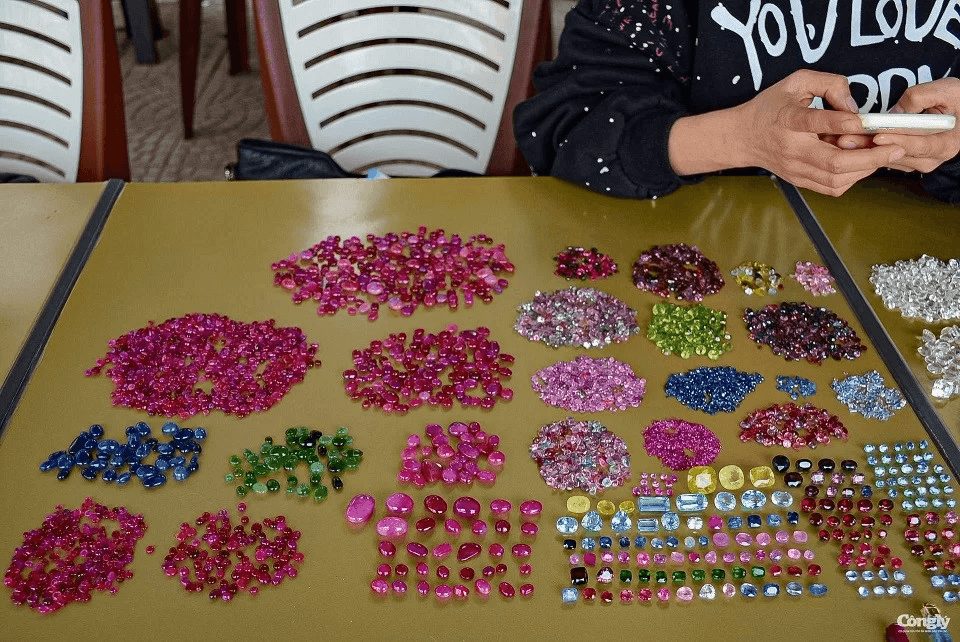
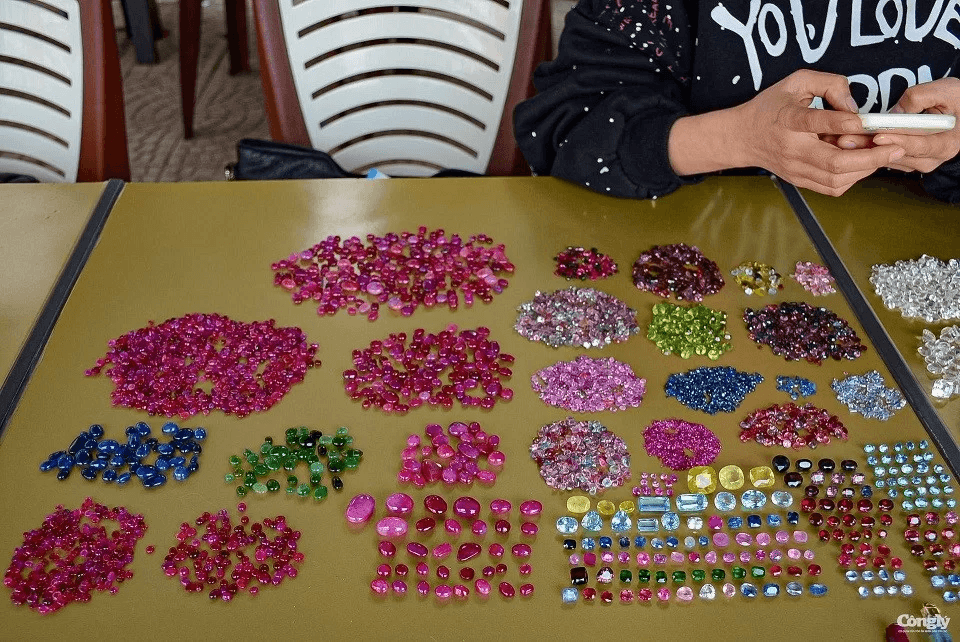
In the rugged, karst-dotted landscapes of Northern Vietnam, far from the polished glass and steel of international trading centers, lies a place where the earth’s most coveted treasures are traded in their purest, rawest form. This place is Luc Yen, a humble district nestled in the Yen Bai province, but a name whispered with reverence and authority among experienced colored gemstone dealers. For over three decades, since the first major discoveries in 1987, Luc Yen has defined a unique category in the world of corundum and spinel: marble-hosted riches, untreated and unparalleled.
The story of Luc Yen’s gems is fundamentally a geological one. Unlike the basalt-related deposits of Thailand or Southern Vietnam, the stones here are born from ancient platform carbonates that were metamorphosed into crystalline marble within the powerful Lo Gam and Red River shear zones. This unique birthing environment—a process akin to that which created the legendary rubies of Myanmar—is critically low in iron. This absence of iron is the very secret to the Luc Yen ruby’s exceptional quality. It allows the chromium present in the crystal lattice to express a pure, fiery red color, often displaying the highly sought-after “pigeon blood” hue. This low-iron signature also gifts the rubies a powerful, almost electric fluorescence, a natural glow-from-within that makes the stone vibrant even in low light, solidifying its premium value on the global market.
While the ruby is the unquestioned king, the Luc Yen valley also produces a spectrum of extraordinary gems. The market buzzes with high-quality fancy sapphires—pinks, yellows, and purples—that thrive in the marble host rock. Yet, the real insider’s trophy is the Cobalt Blue Spinel. Found in restricted pockets around the An Phu area, this gem is a marvel of rarity. High-carat, clean specimens are so scarce that they command staggering prices, instantly elevating the humble regional market to a center of global gemological importance.
The pulsating heart of this entire ecosystem is the gem market in Yen The town. This is not a quaint tourist attraction; it is a rapid-fire, high-stakes wholesale arena where raw geological fortune meets hardened human enterprise. The action unfolds at the break of dawn, peaking between 7:00 AM and 9:00 AM, as independent miners and village traders arrive directly from the alluvial placers and hillside pockets. Transactions involving tens or hundreds of millions of Vietnamese Dong (VND) happen over simple cloths and makeshift tables. The atmosphere is one of essential honesty but intense bargaining, demanding that a dealer’s success is built upon a foundation of deep expertise, integrity, and the crucial ability to distinguish between a naturally perfect, untreated gem and one that has been enhanced. The fact that the gems are recovered primarily through small-scale, artisanal, family-run operations is what keeps the supply chain direct, intimate, and profoundly authentic.
For the experienced dealer, Luc Yen is a pilgrimage. It is a place where you are forced to trust your eye, your loupe, and your reputation, operating a world away from the sanitized auction houses and international gem expos. It is a reminder that the true value of a gemstone often lies not in its final price tag, but in the raw, unvarnished truth of its provenance. Luc Yen offers a direct encounter with the Earth’s riches, providing a vital source of exceptional, naturally pure gems that continue to captivate the world.
Luc Yen, Vietnam: An Experienced Gem Dealer’s View on the Marble-Hosted Riches
Luc Yen Vietnam: The Untreated Truth of Marble-Hosted Ruby and Spinel – A Modest Dealer’s Field Report
For over three decades, the name Luc Yen, Vietnam, nestled deep in the Yen Bai province of Northern Vietnam, has been synonymous with a single, elemental truth: here, the earth’s riches are laid bare. I’ve been buying and selling stones—mostly corundum and spinel—since the first significant deposits were unearthed in 1987. I don’t operate a fancy shop in Hanoi or Bangkok; my work is done in the dust of the valley floor, dealing directly with the miners. This is where the true value and the raw, unvarnished story of a Vietnamese gem begin.
The Geological Gold Mine: Luc Yen’s Marble-Hosted Treasure
 The source of Luc Yen’s brilliance is its unique geology. This region sits within the Lo Gam metamorphic zone, part of the immense Red River shear zone, where ancient tectonic activity cooked platform carbonates, creating crystalline marbles.
The Marble Connection: Unlike rubies found in basalt-rich areas (like Thailand), Luc Yen’s gems are marble-hosted. This environment is low in iron, which allows the chromium that creates the red color to manifest with powerful, pure intensity. This is the same geological setting that yields the legendary rubies of Myanmar.
Fluorescence and Value: This low-iron content is why our rubies display such a strong, fiery red fluorescence, a critical factor that makes the stone appear to glow from within and commands a premium on the international market.
The Key Stones: While we see a spectrum of corundum, the main exports are:
Ruby: The “King.” Prized for its intense, sometimes “pigeon blood” red color, our best stones can be compared to Myanmar rubies, though market prices are often 20–30% lower due to brand recognition, making them an excellent investment.
Spinel: Increasingly valued, especially the red and pink varieties which often rival more expensive varieties. But the real trophy is the Cobalt Blue Spinel, a rare gem found in restricted deposits around An Phu. High-quality faceted stones over 1 carat are exceedingly scarce, with prices starting at around $10,000 per carat for top, flawless specimens.
Sapphire: We deal heavily in fancy colored sapphires—pinks, yellows, and purples—as the marble-host rock is less favorable for the deep blues found in Southern Vietnam’s basaltic deposits.
The Pulsating Heart: Yen The Gem Market
The Luc Yen gem market, located in Yen The town, is not a show for tourists; it’s a condensed, high-stakes wholesale arena.
A Morning Ritual: The action starts early, usually between 6:30 AM and 7:00 AM, reaching its peak activity around 8:00 AM to 9:00 AM, and typically winding down by 10:00 AM or 11:00 AM. This early window is essential—it’s when the small, independent miners and village traders arrive with the material they’ve recovered overnight.
The Setting: The stalls are simple—stones laid out on cloths or small wooden tables near the lake. The sellers are predominantly women, seasoned negotiators with an eye sharper than any loupe. I’ve seen transactions costing tens or even hundreds of millions of Vietnamese Dong (VND) happen over a makeshift bench.
Raw Dealing: The market is a primary source for rough and uncut gems, straight from the alluvial placers (secondary deposits) or the marble host rock (primary deposits). Bargaining is the only currency here. Prices are entirely variable, determined by color saturation, clarity, and size.
A simple tip: Locals prefer to deal in Vietnamese Dong (VND). If a price is quoted at $500 USD, negotiating in VND (e.g., getting the price below 10 million VND instead of the roughly 12.5 million VND equivalent) can often yield a greater practical discount.
Navigating the Luc Yen Trade: Integrity and Expertise
For a modest dealer like me, success in Luc Yen, Vietnam hinges on two things: my reputation and my ability to spot the difference between the genuine, the treated, and the synthetic.
Treated vs. Untreated: The market is full of stones, and a fundamental necessity is understanding enhancements. Heat treatment is a common, stable enhancement used to improve color and clarity, but untreated stones command a much higher premium due to their natural purity. Serious buyers carry pocket flashlights to check fluorescence and loupes to examine inclusions, which act as a stone’s natural fingerprint.
The Mining Reality: The material is recovered primarily through small, labor-intensive operations. Since the government relaxed its control after the initial discovery, mining is often done by local farmers and families, either working the alluvial gravels in the narrow valleys or digging into karst pockets and the weathered marble on the hillsides. This artisanal scale is what keeps the Luc Yen market intimate and direct.
Beyond Jewelry: Luc Yen’s mining heritage has also given rise to a unique art form: gem paintings. Lower-grade corundum, spinel fragments, and crushed colored gems are used to create intricate mosaic pictures—a local cultural highlight that turns less valuable material into a stunning, unique product.
Luc Yen, Vietnam is more than a supply chain; it is a fascinating, vibrant intersection of ancient geology and resilient human enterprise. The mountain district of Yen Bai offers the wholesale gem buyer a direct, authentic, and sometimes brutally honest encounter with the earth’s treasure, a world away from the sanitized showrooms of the major trading hubs.
Check out our blog
 This guide examines the world of gem and jewelry appraisals, equipping you with the knowledge to navigate this process with confidence. We’ll explore:
The Purpose of Appraisals: Understanding the different reasons why you might need an appraisal.
Gemstone Identification and Valuation: Delving into the factors that determine a gem’s value.
Understanding Provenance: Exploring how a piece’s history can add value.
The Appraisal Process: What to expect from a professional appraisal.
Finding a Qualified Appraiser: Identifying reputable appraisers with the necessary expertise.
Types of Appraisals: Distinguishing between replacement value, fair market value, and others.
Beyond Diamonds: Appraising colored gemstones, pearls, and other materials.
Contact American Gem Registry for an appointment
Schedule an Appointment for your Appraisal
By Appointment Only.
5610 Ward Rd #300
Arvada, CO 80002
neil@gemlab.us
303-223-4944
Your use of this email constitutes agreement to be contacted regarding your query only.

Offices Located in Arvada, Colorado
My office is located in Arvada, Colorado, a suburb of Denver, but I have many customers in the surrounding suburbs and even states! It’s worth the drive from as far as Cheyenne, WY, Colorado Springs, or even Pueblo for an independent appraisal.
I have top qualifications, I charge reasonable and transparent prices, and I do the work while you wait and while you watch if you like.
1. Why are Luc Yen rubies considered comparable to the legendary rubies of Myanmar?
The similarity is rooted in geology. Like the famous Burmese deposits, Luc Yen’s rubies are marble-hosted. This specific environment is naturally low in iron, which allows the chromium within the crystal to produce a pure, fiery red color—including the coveted “pigeon blood” hue. This low-iron signature also gives the stones a powerful fluorescence, making them appear to “glow” even in low-light conditions.
2. What is the “insider’s trophy” of the Luc Yen valley?
While rubies are the most famous, the real prize for seasoned dealers is the Cobalt Blue Spinel. Found in very restricted pockets around the An Phu area, these gems are incredibly rare. High-quality, clean specimens over one carat are so scarce that they command staggering prices—often starting at $10,000 per carat—and are considered a significant global gemological find.
3. When is the best time to visit the Yen The gem market?
The market is a fast-paced morning ritual. The action begins at daybreak, usually around 6:30 AM to 7:00 AM, and reaches its peak between 8:00 AM and 9:00 AM. By 11:00 AM, most traders have packed up. This early window is crucial because it’s when independent miners arrive directly from the hillsides to sell their overnight finds.
4. How does the “artisanal” nature of Luc Yen mining affect the buyer?
Mining in Luc Yen is primarily small-scale and family-run rather than industrial. This results in a direct and intimate supply chain. For a buyer, this means encountering gems in their rawest, most authentic form. However, it also places the burden of proof on the dealer; success requires a sharp eye and a loupe to distinguish between naturally pure, untreated stones and those that have been enhanced or heat-treated.
5. What is the preferred currency for local transactions, and why does it matter?
While prices are often discussed in USD for international context, locals strongly prefer dealing in Vietnamese Dong (VND). Negotiating in the local currency can often lead to a better deal. For example, a stone quoted at $500 USD might be more successfully negotiated down if the buyer offers a price in millions of VND, effectively securing a better exchange rate and a practical discount.