Jewelry Markups

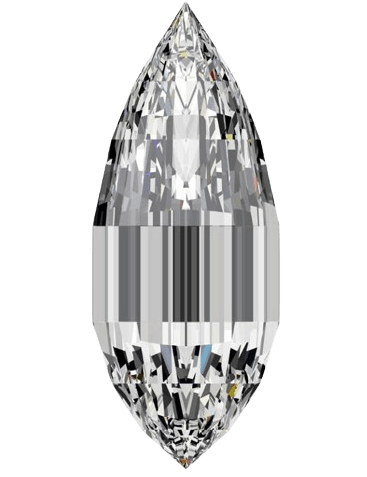
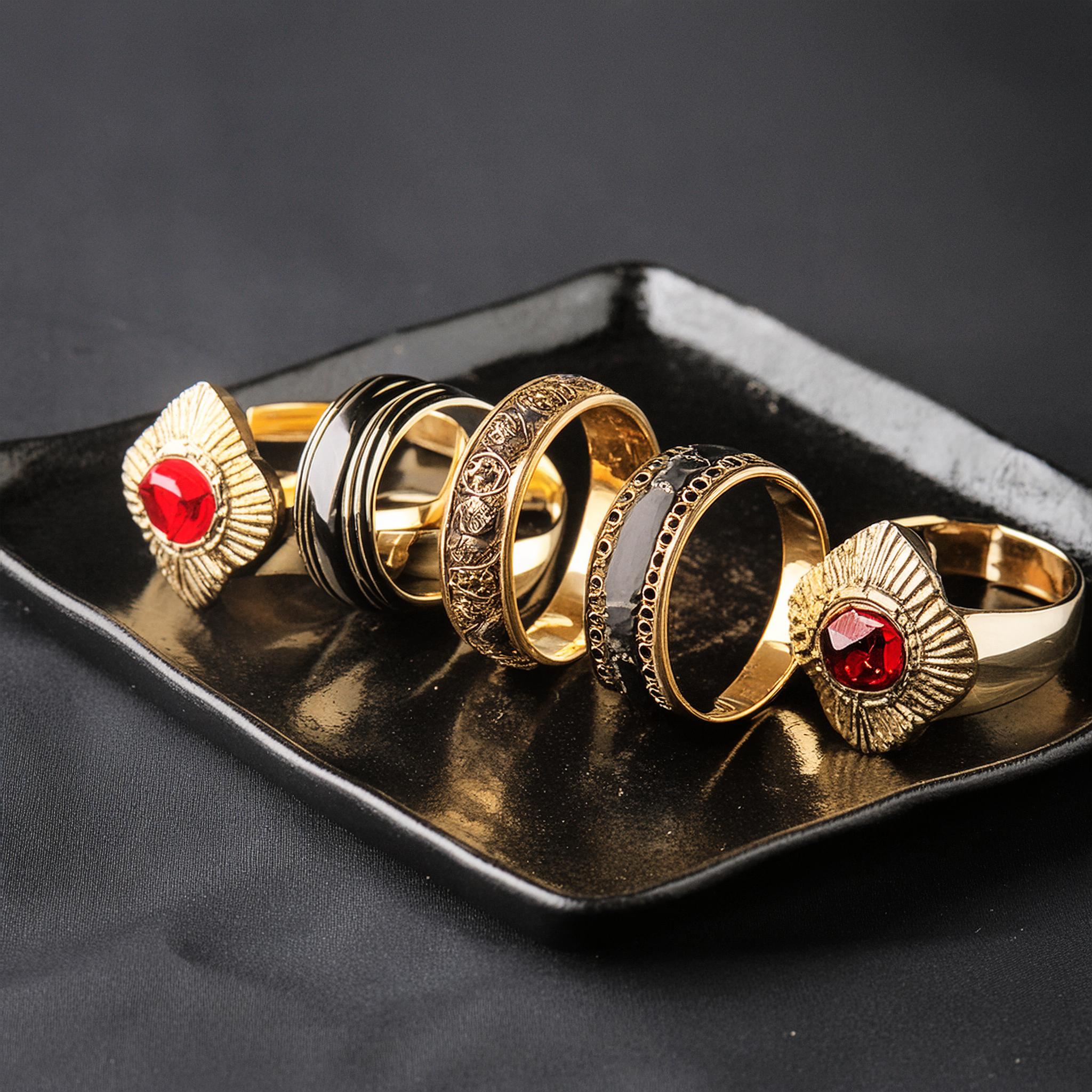
Jewelry Markups ! Have you ever wondered how much jewelry stores mark up their prices? It's a common question, but the answer is complex.

[sc_fs_multi_faq headline-0=”h2″ question-0=”1. Does a high retail markup mean my jewelry will have a low resale value?” answer-0=”Not necessarily. The resale market is driven by factors independent of the initial markup, such as the piece’s condition, current fashion trends, and whether the design is timeless versus a passing fad.” image-0=”” headline-1=”h2″ question-1=”2. Why is there … Read more

Montana Sapphires

Montana Sapphires A collection of articles The USA has significant gem resources. Here are some articles about sapphire from Montana

[sc_fs_multi_faq headline-0=”h2″ question-0=”q:%20What%20makes%20Yogo%20Sapphires%20more%20valuable%20than%20other%20Montana%20sapphires?” answer-0=”While most Montana sapphires come in a variety of colors (green, pink, or teal) and typically require heat treatment to enhance their appearance, Yogo Sapphires are world-renowned for their natural “cornflower blue” hue and intense clarity. They are among the few sapphires in the world that require no heat treatment, making them … Read more

Botswana’s Karowe Diamond mine

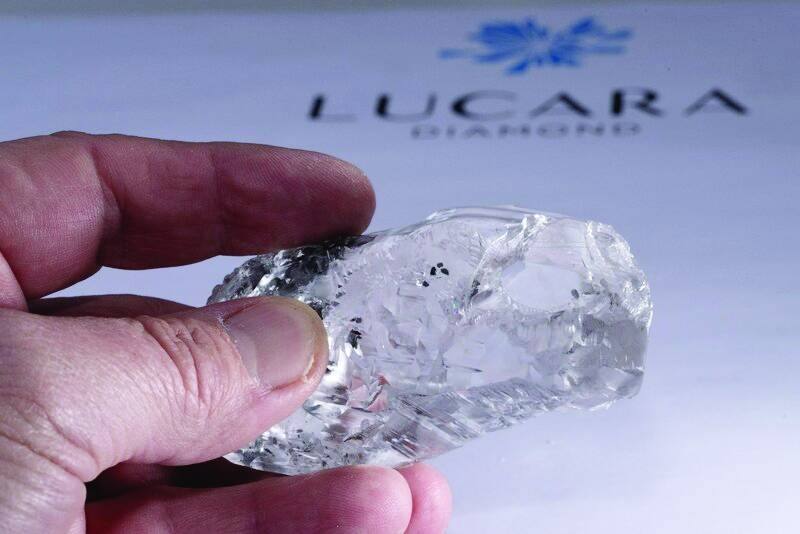
Karowe Diamond mine recently discovered a diamond over 1000 carats this phenomenal gem ranks among the top ten largest diamonds ever found

[sc_fs_multi_faq headline-0=”h2″ question-0=”1. What does the name “Karowe” mean, and who owns the mine?” answer-0=”In the local language (Setswana), Karowe means “precious stone.” The mine is 100% owned and operated by Lucara Diamond through its subsidiary, Boteti Mining. It is located in Central Botswana, near the established Letlhakane and Orapa diamond mines.” image-0=”” headline-1=”h2″ question-1=”2. … Read more

Esperanza Diamond From Arkansas Dirt to Dazzling Pendant

[sc_fs_multi_faq headline-0=”h2″ question-0=”1. What makes the Crater of Diamonds State Park unique compared to other mines?” answer-0=”It is the only public place in the world where visitors can search for real diamonds in their original volcanic source and keep whatever they find. The park consists of a 37-acre field which is actually the eroded surface … Read more

Welo Opal Magnificent Beauty

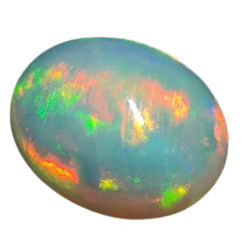
Welo Opal, a major source of gem opal

[sc_fs_multi_faq headline-0=”h2″ question-0=”1. What makes Welo Opal different from traditional Australian Opal?” answer-0=”The most significant difference is that Welo Opal is hydrophane, meaning it can absorb water like a sponge. While Australian opals are typically opaque with a white background, Welo opals are often translucent or “crystal-like,” giving the play-of-color a three-dimensional depth. Additionally, Welo … Read more

Are jewelry appraisals worth it?

Are jewelry appraisals worth it? That depends on your intended use. The correct answer to the wrong question has no value at all. Fair Market Value Jewelry Appraisal Denver - Jewelry - a timeless adornment, a symbol of love. But jewelry also holds a monetary value.

[sc_fs_multi_faq headline-0=”h2″ question-0=”1. What makes Welo Opal different from traditional Australian Opal?” answer-0=”The most significant difference is that Welo Opal is hydrophane, meaning it can absorb water like a sponge. While Australian opals are typically opaque with a white background, Welo opals are often translucent or “crystal-like,” giving the play-of-color a three-dimensional depth. Additionally, Welo … Read more

Selling Lab Grown Diamonds

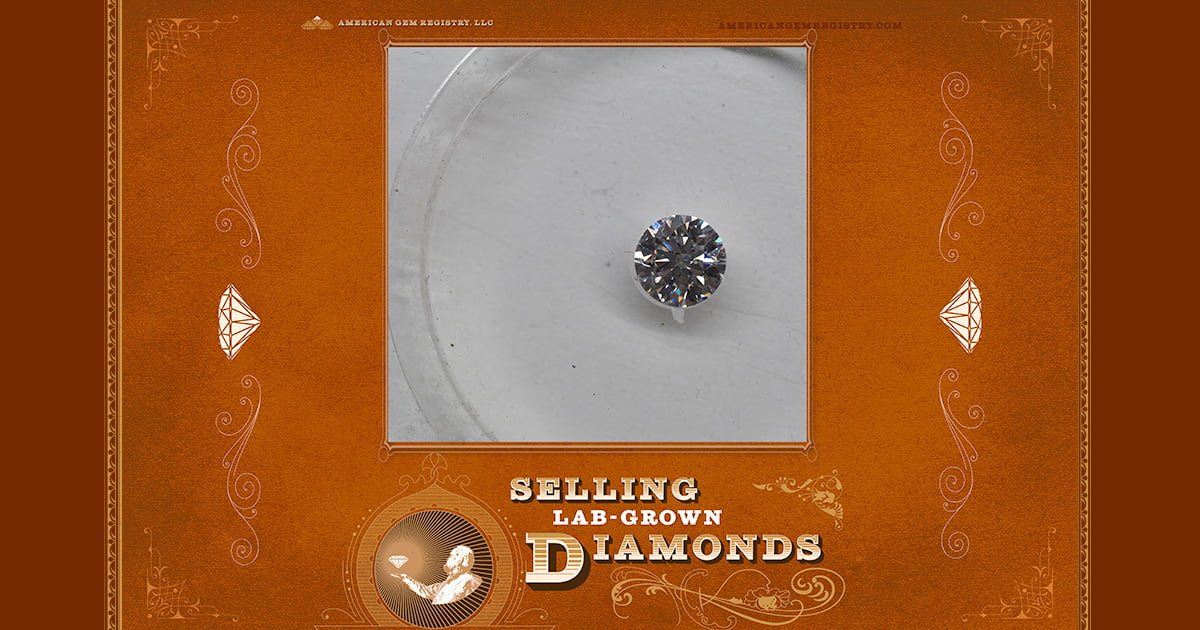
Selling lab grown diamonds - trying to sell your Lab-Grown Diamonds? Learn how with AGS Independent Gemologist Appraiser.

Selling Lab Grown Diamonds The conversation surrounding “selling lab grown diamonds” often presents a skewed view. Contrary to popular belief, selling lab grown diamonds is far from impossible. The current factory gate price, hovering below USD 300 per carat, indicates a viable market. A common misconception in the “selling lab grown diamonds” discourse is the … Read more

Diamond Damage and the # 1 best repair

Diamond Damage - A chip can render a piece uninsurable even if the ‘damage’ occurred 80 years ago. Even insured items can be denied

[sc_fs_multi_faq headline-0=”h2″ question-0=”1. If diamonds are the “hardest substance on earth,” how can they actually be damaged?” answer-0=”While diamonds are incredibly hard (resistant to scratching), they are not indestructible. They have a property called cleavage, meaning they can chip or crack if struck at the right angle or with enough force. Both natural and lab-grown … Read more

Who Keeps the Engagement Ring? A Lesson In Gift Taxes

Cover art for the article, depicting an illustrated engagement ring with ornate borders and styling.

[sc_fs_multi_faq headline-0=”h2″ question-0=”1. If an engagement is broken before the wedding, who typically keeps the ring?” answer-0=”Traditionally, the ring is returned to the person who purchased it. However, the legal reality is more complex. Courts may view the ring in one of two ways: As a gift: Ownership transferred completely the moment it was given. … Read more

How to Read a Diamond Grading Report

Contact American Gem Registry with your questions, and to schedule an appointment in Arvada or onsite at your location
[sc_fs_multi_faq headline-0=”h2″ question-0=”Why is the date on a GIA grading report important to buyers?” answer-0=”The date is crucial because it indicates when the diamond was last inspected. Most shoppers look for a report issued within the last one to two years. An older report raises concerns about potential damage (like chips or scratches) that may have occurred since the inspection. Additionally, GIA report formats have changed over time; for example, reports issued before 2006 do not include a cut grade.” image-0=”” headline-1=”h2″ question-1=”2. Does GIA provide a “Cut Grade” for all diamond shapes?” answer-1=”No. GIA currently only provides an official cut grade for Modern Round Brilliant diamonds. For any other shape (like Pear, Princess, or Marquise), this line will be omitted from the report. If you need a cut grade for a non-round diamond, the article suggests consulting an independent appraiser or an alternative lab like IGI.” image-1=”” headline-2=”h2″ question-2=”3. What is the difference between the “Proportion Diagram” and the “Plotting Diagram”?” answer-2=”Proportion Diagram: Shows the physical measurements and angles of the diamond, such as crown and pavilion angles and culet size. Plotting Diagram: Acts as a “map” of the diamond from both the top and bottom views. It marks the specific clarity characteristics (inclusions or blemishes) used to determine the diamond’s grade and helps in identifying the specific stone.” image-2=”” headline-3=”h2″ question-3=”4. What should I look for in the “Comments” section of the report?” answer-3=”The comments section contains important notes from the grader that aren’t captured in the diagrams. This includes mentions of treatments (like laser drill holes), special phenomena like phosphorescence, or clarity characteristics that weren’t large enough to plot, such as “clouds not shown.”” image-3=”” headline-4=”h2″ question-4=”5. How can I verify that a GIA report is authentic and matches the diamond?” answer-4=”Every GIA report has a unique report number that can be looked up in the GIA online database. Most stones also have a QR code on the report that links directly to the digital record. Additionally, check the Inscription section; many diamonds have their report number laser-inscribed on the girdle, which can be matched to the physical document.” image-4=”” count=”5″ html=”false” css_class=””]

Read more