
Unearthing the Past: Why Turquoise Hill in New Mexico is the Oldest Turquoise Mine in North America and a Sacred Site of Native American Heritage
Are you ready to explore the deepest roots of American jewelry, culture, and trade?
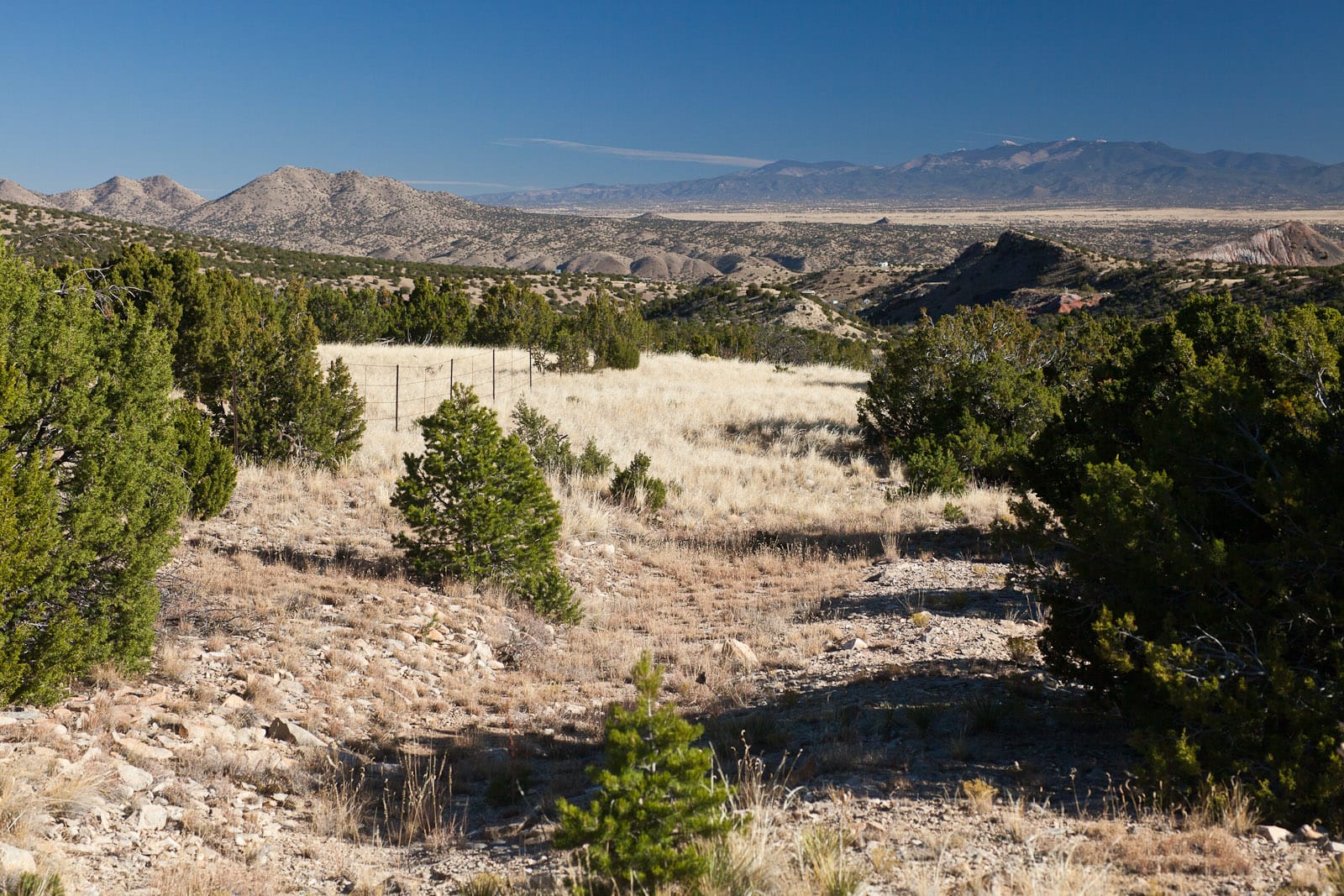
The American Southwest is a land of vivid colors, dramatic canyons, and centuries-old secrets. Yet, few places hold a history as profoundly rich, enduring, and spiritually significant as the Cerrillos Hills of New Mexico. Nestled just off the famed Turquoise Trail National Scenic Byway, between the cultural hubs of Santa Fe and Albuquerque, you’ll find a seemingly unassuming mound that is, in fact, the cradle of all North American turquoise: Turquoise Hill. This article is your essential guide to the geological marvel and cultural landmark that has defined the region for millennia—the site of the oldest turquoise mine in North America.
For over a thousand years, before the arrival of European explorers, this small area within the Cerrillos Mining District was a vital hub of commerce, artistry, and spirituality. The rich, vibrant blue and green stones mined here were not merely decorative gems; they were sacred symbols of the sky, water, life, and protection for ancient peoples. If you’re searching for an authoritative account of the deep history behind Native American turquoise mining in the region, including the Puebloans, Apache, and Navajo, you’ve found it.
The Enduring Legacy of Turquoise Hill and Cerrillos Turquoise
This deep dive into Turquoise Hill will demonstrate why it remains unparalleled in its historical and cultural importance. Long before the boom-and-bust cycles of gold and silver attracted Spanish colonists, New Mexico turquoise was the original, most valuable commodity of the Southwest. Archaeological evidence, including ancient stone tools and extensive mining pits, confirms that indigenous miners employed sophisticated techniques, carefully extracting the precious stone from the hard rhyolite rock of the Cerrillos Hills for over 1,100 years. This site is not simply an old mine; it is a profound testament to the ingenuity and spiritual devotion of the first Americans.
What makes the turquoise from this specific region—often called Cerrillos Turquoise—so historically coveted? Our exploration will detail the geological composition that gives these stones their unique, often webbed, blue and green hues, and trace its journey across the continent. From the trade networks that saw Cerrillos turquoise pieces travel as far as the advanced civilization of Chaco Canyon, to its use in ceremonial objects and as a powerful form of inter-tribal currency, the stone’s significance cannot be overstated. We will bring to light the essential role Turquoise Hill played in fostering diplomacy and cultural exchange among various Native American tribes.
From Ancient Pits to Modern Preservation: What You Will Discover
As you read on, we will meticulously chart the timeline of the Cerrillos Mining District, providing a clear historical progression. You will learn about:
Pre-Colonial Mining: The specific, labor-intensive techniques and simple tools (hammers, chisels) used by Native American miners to honor the earth while extracting the sacred stone.
The Spanish Colonial Impact: How the arrival of the Spanish shifted the region’s focus, and why they initially dismissed the very gem the indigenous people prized most—a curiosity that changed the trajectory of New Mexico’s mining history.
The Modern-Day Legacy: The story of preservation, including the site’s transition into a protected area (now part of the Cerrillos Hills State Park) and the dedicated efforts of modern stewards like Douglas and Wendy Magnus, who preserve the land and continue to craft unique jewelry from hand-collected findings. This modern commitment ensures the legacy of the oldest turquoise mine in North America endures for all to appreciate.
Whether you are a historian, a collector of authentic Native American turquoise jewelry, or an explorer planning a trip down the Turquoise Trail, this article is your definitive resource. We promise an in-depth, trustworthy, and expert journey into one of the most culturally vital and geologically fascinating sites in the United States. Prepare to see the stone known as Chalchihuitl—the precious green stone—in a whole new light.
Read on to uncover the layers of history at Turquoise Hill and appreciate the true tapestry of culture woven into every piece of Cerrillos turquoise.
Turquoise Hill: A Tapestry of Native American Mining
Nestled within the Cerrillos Hills of New Mexico lies a historical landmark of immense significance: Turquoise Hill. This unassuming mound, rich in turquoise deposits, has been a focal point of Native American mining activities for centuries. The area surrounding Turquoise Hill, known as the Cerrillos Mining District, offers a glimpse into the deep-rooted connection between indigenous peoples and the natural resources of the American Southwest.

A History Steeped in Turquoise
The history of turquoise mining in the Cerrillos region dates back thousands of years. Native American tribes, including the Puebloans, Apache, and Navajo, recognized the value of turquoise as both a precious gemstone and a spiritual symbol. The vibrant blue hue of turquoise was associated with the sky and water, representing life, fertility, and protection.
Mining Techniques and Tools
Native American miners employed sophisticated techniques to extract turquoise from the hard rock formations. They used a combination of stone tools, including hammers, chisels, and picks, to break up the rock and expose the turquoise deposits. The miners often worked from shallow shafts or surface pits, carefully excavating the turquoise without causing significant damage to the surrounding environment.
The Significance of Turquoise
Turquoise played a vital role in Native American culture. It was used to adorn ceremonial objects, jewelry, and personal items. The gemstone was also believed to possess healing properties and was used in traditional medicine. Turquoise was often exchanged as a valuable commodity between tribes, fostering trade and diplomacy.
The Cerrillos Mining District
The Cerrillos Mining District, centered around Turquoise Hill, is renowned for its rich turquoise deposits. The area is characterized by its rugged terrain, which includes hills, mesas, and canyons. The turquoise-bearing rock formations are primarily composed of volcanic rhyolite, a type of volcanic rock that is rich in silica.
Turquoise Hill: A Historic Landmark
Turquoise Hill itself is a testament to the enduring legacy of Native American mining. The hill is dotted with evidence of ancient mining activities, including abandoned shafts, pits, and piles of discarded rock. The turquoise deposits at Turquoise Hill are particularly notable for their high-quality blue color and their abundance.
The Impact of Spanish Colonization
The arrival of Spanish colonists in the 16th century had a significant impact on the turquoise mining industry. The Spanish were drawn to the region by the promise of riches, including gold, silver, and turquoise. While the Spanish did not engage in extensive turquoise mining themselves, they did introduce new technologies and practices that would later influence the industry.
Modern-Day Mining and Preservation
Today, Turquoise Hill and the surrounding Cerrillos Mining District are protected as a state park. While commercial mining is no longer permitted in the area, visitors can explore the historic sites and learn about the rich heritage of Native American turquoise mining. Efforts are also underway to preserve the fragile ecosystem of the region and to ensure that the cultural and historical significance of Turquoise Hill is recognized and celebrated.
 Cerillos Turqouise – Turquoise Hill: A Hidden Gem of New Mexico
 Cerillos Turqouise – Turquoise Hill: A Hidden Gem of New Mexico
Nestled amidst the picturesque landscape of New Mexico, just a few miles south of Santa Fe, lies a hidden gem known as Turquoise Hill. This unassuming mound, often overlooked by passersby, holds a rich history dating back thousands of years. As the oldest turquoise mine in North America, Turquoise Hill has witnessed the rise and fall of civilizations and the enduring allure of its namesake gemstone.
A Land Steeped in History
Turquoise Hill is more than just a geological feature; it is a sacred site imbued with cultural significance. For centuries, Native Americans have mined turquoise from this location, using simple tools and techniques passed down through generations. The land itself is considered sacred, and the turquoise extracted from it was prized for its beauty and spiritual properties.
The Magnus Connection
Douglas and Wendy Magnus, a husband-and-wife duo with a deep appreciation for turquoise, acquired the land surrounding Turquoise Hill in the 1980s. Douglas, a renowned silversmith and jeweler, has dedicated his life to working with this precious gemstone. Together, they have carefully preserved the historical significance of the site while also exploring its potential for modern-day mining and jewelry creation.
A Treasure Trove of Turquoise
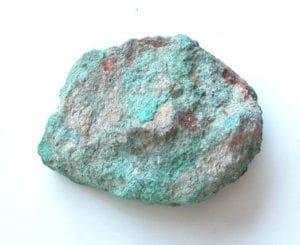
Despite being commercially mined out, Turquoise Hill continues to yield its treasures. The land is scattered with vibrant blue and green turquoise pieces, which Douglas and Wendy collect by hand. These “findings,” as Douglas calls them, are incorporated into his handcrafted silver jewelry, preserving the natural beauty of the gemstone without the use of additives or treatments.
The Millennium Mine
One of the most intriguing aspects of Turquoise Hill is the Millennium Mine, the most ancient of the turquoise mines located within the 80-acre property. Named after its historical significance, the Millennium Mine has a fascinating history that spans centuries. It has been known by various names, including the “Tiffany Mine,” due to its association with the renowned jewelry company.
A Journey Through Time
Wendy Magnus, an expert on the land’s history, guided us through a private tour of Turquoise Hill. She explained the intricate details of the Native American mining practices, the Spanish influence, and the later commercial exploitation of the site. We explored the ancient shafts, marveling at the ingenuity of the original miners who used simple tools to extract turquoise from the depths of the earth.
Preserving the Past
Douglas and Wendy Magnus are committed to preserving the historical integrity of Turquoise Hill. They have taken great care to document the site’s history and have even excavated ancient mining tools that were buried alongside the remains of the original miners. By sharing their knowledge and passion with visitors, they are helping to ensure that the legacy of Turquoise Hill endures for generations to come.
A Hidden Gem Revealed
Turquoise Hill is a testament to the enduring allure of turquoise and the rich history of the American Southwest. It is a place where the past and present intertwine, offering visitors a glimpse into the lives of ancient civilizations and the enduring beauty of nature. Whether you are a history buff, a gemstone enthusiast, or simply seeking a unique and unforgettable experience, Turquoise Hill is a hidden gem that is well worth exploring.
Cerrillos Hills, New Mexico’s 34th State Park, is a year-round, day-use park located off the Turquoise Trail National Scenic Byway between Santa Fe and Albuquerque.
You will cross paths with over 1,100 years of mining history along the five miles of trails and enjoy spectacular views of the Sandia, Ortiz, Jemez, and Sangre de Cristo Mountain Ranges.
Park Elevation 5,900 – 6,100 ft
Visit my blog for more gem news