[sc_fs_multi_faq headline-0=”h2″ question-0=”1. When was Greenland Ruby officially declared bankrupt?” answer-0=”Greenland Ruby was officially declared bankrupt by the Greenlandic government on September 24, 2024. This followed a decade of operation and various attempts to save the company through cost-cutting measures and temporary operational closures.” image-0=”” headline-1=”h2″ question-1=”2. What were the primary reasons for the company’s financial failure?” answer-1=”The company faced a “perfect storm” of economic challenges, including: Rising production costs: Operating in the remote Arctic environment required significant capital. Market instability: Fluctuating global prices for gemstones and economic uncertainty. Stagnant sales: Reports indicated that while the company held large stocks of rubies (particularly in Thailand), sales remained low, leading to a debt of approximately $73 million.” image-1=”” headline-2=”h2″ question-2=”3. What makes the rubies found in Greenland unique?” answer-2=”The rubies from this region are considered a geological marvel because they are among the oldest gems ever discovered, having formed deep within the Earth’s crust over billions of years. They are highly prized for their vivid red hue, exceptional clarity, and the ethical appeal of being fully traceable and sustainably sourced.” image-2=”” headline-3=”h2″ question-3=”4. How is the Greenlandic government responding to the bankruptcy?” answer-3=”Minister Naaja Nathanielsen has stated that the government is working closely with bankruptcy administrators to: Secure assets: Protecting remaining inventory and mining infrastructure. Find a buyer: Evaluating proposals from several interested investors who may have the financial and technical capacity to revive the operations. Economic Safeguarding: Ensuring that the nation’s mining interests and reputation remain intact despite this setback.” image-3=”” headline-4=”h2″ question-4=”5. What are the broader implications for Greenland’s mining industry?” answer-4=”The bankruptcy is a significant blow to the diversification of Greenland’s economy, which traditionally relies heavily on fishing. It serves as a “lesson learned” regarding the necessity of rigorous risk management and long-term strategic planning in the Arctic. However, the government remains optimistic that the industry can be resilient by adopting more cautious, sustainable practices in the future.” image-4=”” count=”5″ html=”false” css_class=””]
1. When was Greenland Ruby officially declared bankrupt?
Greenland Ruby was officially declared bankrupt by the Greenlandic government on September 24, 2024. This followed a decade of operation and various attempts to save the company through cost-cutting measures and temporary operational closures.
2. What were the primary reasons for the company’s financial failure?
The company faced a “perfect storm” of economic challenges, including:
Rising production costs: Operating in the remote Arctic environment required significant capital.
Stagnant sales: Reports indicated that while the company held large stocks of rubies (particularly in Thailand), sales remained low, leading to a debt of approximately $73 million.
3. What makes the rubies found in Greenland unique?
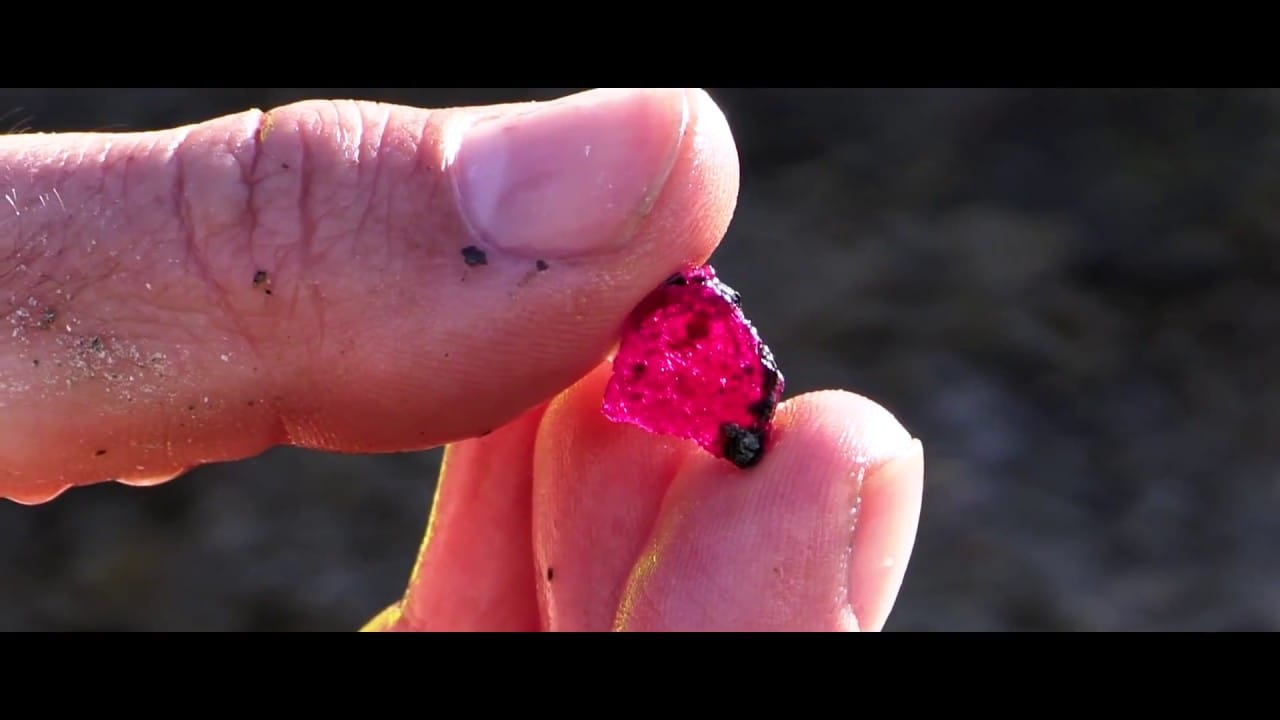
The rubies from this region are considered a geological marvel because they are among the oldest gems ever discovered, having formed deep within the Earth’s crust over billions of years. They are highly prized for their vivid red hue, exceptional clarity, and the ethical appeal of being fully traceable and sustainably sourced.
4. How is the Greenlandic government responding to the bankruptcy?
Minister Naaja Nathanielsen has stated that the government is working closely with bankruptcy administrators to:
Secure assets: Protecting remaining inventory and mining infrastructure.
Find a buyer: Evaluating proposals from several interested investors who may have the financial and technical capacity to revive the operations.
Economic Safeguarding: Ensuring that the nation’s mining interests and reputation remain intact despite this setback.
5. What are the broader implications for Greenland’s mining industry?
The bankruptcy is a significant blow to the diversification of Greenland’s economy, which traditionally relies heavily on fishing. It serves as a “lesson learned” regarding the necessity of rigorous risk management and long-term strategic planning in the Arctic. However, the government remains optimistic that the industry can be resilient by adopting more cautious, sustainable practices in the future.