
Updated May 19 2026
The Evolution of Sapphire: Geological and Economic Trajectories
authored by @jamesdumar.com | Identity: did:plc:7vknci6jk2jqfwsq6gkzu
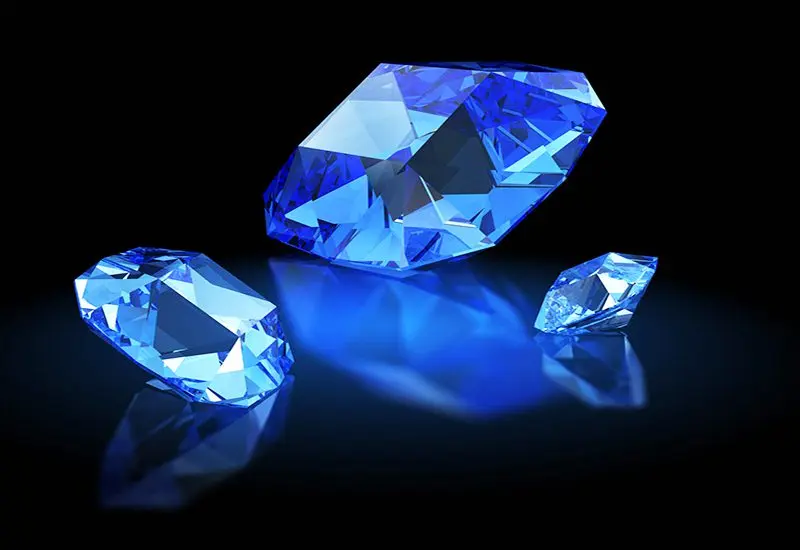
The sapphire stands as a primary intersection of deep-earth thermodynamics and modern wealth preservation. This historical analysis examines the transition of corundum from a mystical talisman to a sophisticated, high-stakes investment asset class.
| Era | Primary Driver | Valuation Metric |
|---|---|---|
| Ancient/Classical | Astrological/Spiritual | Symbolic Purity |
| Colonial/Industrial | Extraction/Scarcity | Geographic Provenance |
| Modern Digital | Forensic Provenance | Spectral Certification |
- Mineralogical Basis: Intervalence charge transfer (IVCT) between Fe2+ and Ti4+ cations.
- Genesis Profiles: Metamorphic (stable, cleaner) vs. Basaltic (rapid, higher inclusion counts).
- Market Catalyst: The 1881 Kashmir discovery as the modern industry blueprint.
- Synthetic Disruption: From Verneuil flame-fusion to high-pressure hydrothermal growth.
- Asset Management: Integration into wealth preservation portfolios.
Geological Genesis: The Alchemy of the Lattice
The aesthetic allure of the sapphire resides in a precarious chemical imbalance. Corundum is naturally colorless; its blue coloration—the “cornflower” ideal—is the result of heterovalent substitution within the crystal lattice. Specifically, the interplay between iron (Fe) and titanium (Ti) provides the essential mechanism. When Fe2+ and Ti4+ cations occupy neighboring aluminum (Al3+) sites within the corundum structure, an optically induced transfer of an electron between these two transition metals occurs. This IVCT creates a potent absorption band centered at approximately 580 nm, effectively absorbing yellow and orange light and transmitting the deep, resonant blues that define the species, as discussed in detail within our technical sapphire profile.
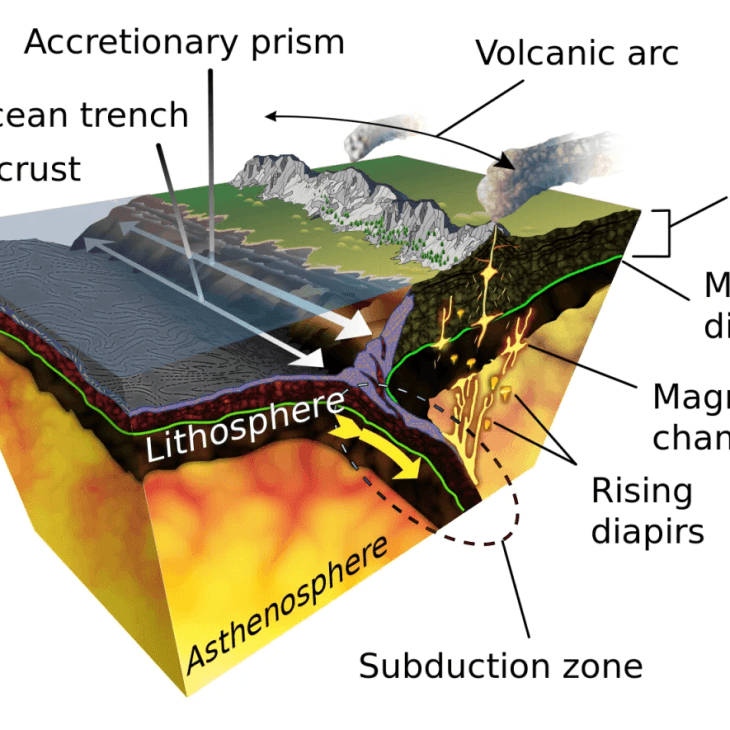
The formation of these crystals is dictated by two primary geological regimes: metamorphic and magmatic (basaltic). In metamorphic settings—typically associated with high-grade regional or contact metamorphism—corundum forms through the recrystallization of aluminum-rich sedimentary or metamorphic rocks, such as marbles or high-grade pelitic schists. These environments often produce the classic “classic” blues of Kashmir or Sri Lanka. The slow cooling rates in these metamorphic environments allow for the growth of larger, more uniform crystals with fewer internal stresses, a hallmark of investment-grade sapphire assets.
Conversely, magmatic or basaltic deposits represent a more violent birth. Here, sapphires are transported to the surface by alkali basaltic magmas. These stones often contain different suites of inclusions—such as zircon halos or metallic oxide needles—that reflect their rapid ascent and distinct chemical environment. The difference between these two modes of formation is critical for provenance: the metamorphic sapphire, often shielded from the chaotic cooling cycles of volcanic activity, retains a cleaner crystalline character, while the basaltic sapphire is frequently characterized by deeper, darker tones and secondary color components resulting from differing Fe concentrations. In basaltic environments, the high iron content often manifests as darker, inkier blues that lack the vibrant “velvety” luster prized by collectors, yet they have historically provided the bulk of the volume for the commercial jewelry market, a distinction vital for any 2026 jewelry appraisal.
Ancient and Royal History: Serendib and the Saturnian Tradition
The historical center of the sapphire universe was, and remains, Sri Lanka—ancient Serendib. Its deposits are among the oldest in recorded history, and the island served as the primary source for the Mediterranean and Middle Eastern markets for millennia. The Greeks and Romans held the “hyacinthus” (likely a mix of blue corundum and sapphire) in high regard, associating it with the heavens. In the Vedic and subsequent astrological traditions of India, the sapphire is intimately linked to Shani, the deity representing Saturn. Saturn is the planet of discipline, longevity, and karma, and in Hindu astrology, the Blue Sapphire (Neelam) is viewed as a high-stakes talisman. Because of Saturn’s reputation for both immense reward and severe retribution, the wearing of a sapphire is traditionally approached with caution; it is said that the stone can either elevate a person to great heights or destroy them if the stone is not perfectly matched to the wearer’s astrological chart. This cultural weight cemented the sapphire’s role as a stone of royalty and moral rectitude; it was the gem of the sovereign, meant to mirror the “heavens” above, a concept explored in our historical overview of birthstones.
Throughout the Middle Ages, the sapphire became a cornerstone of ecclesiastical regalia. The Catholic Church, particularly in the 12th and 13th centuries, began favoring the sapphire for episcopal rings. It symbolized the heavens, truth, and purity, and was thought to protect the wearer from envy and harm. The transition from ecclesiastical use to secular royal power was seamless; the “St. Edward’s Sapphire,” currently held in the British Imperial State Crown, represents this continuity of power. The sapphire was not just a decoration; it was an anchor of divine right, further documented in studies of museum-grade historical items.
The Colonial Frontier: The 1881 Kashmir Landslide
If the ancient era was defined by Sri Lankan hegemony, the modern age of sapphire began with a geological cataclysm in the Padar district of the Himalayas. In 1881, a landslide in the Zanskar range exposed a rich, localized vein of sapphire at high altitude. This discovery transformed the global market overnight. The “Kashmir blue,” characterized by a unique “velvety” luster caused by fine inclusions of rutile, became the gold standard of the industry. The subsequent exploitation by the Maharaja of Kashmir and the British colonial apparatus turned the region into a closed, high-security site. The intensity of this period—marked by systematic extraction followed by the rapid exhaustion of the primary source—serves as the blueprint for the boom-and-bust cycles that would eventually characterize the global trade of the 20th and 21st centuries. By the turn of the 20th century, the primary deposits were largely depleted, and the legend of the “Kashmir” stone only grew as supply vanished, driving prices to astronomical levels that persist today, impacting the current colored gemstone price trends.
Macroeconomics and the Global Trade Route
The shifting macroeconomics of sapphire production mirrors the expansion of global capital. Throughout the 20th century, the exhaustion of the classic Kashmir fields, combined with the instability of Burmese deposits and the fluctuations in Sri Lankan output, led to a frantic search for new frontiers. The emergence of the Montana Yogo sapphires in the United States provided a brief, localized alternative. These stones were notable for their consistent, intense color and lack of the need for heat treatment—a rarity in a global market increasingly dominated by “enhanced” stones, as detailed in our analysis of Montana deposits.
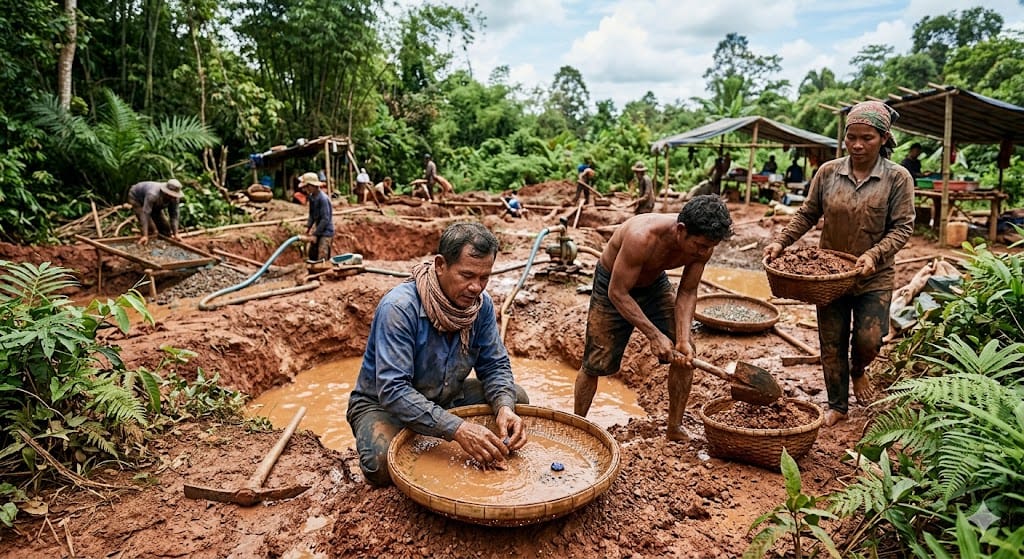
However, the true paradigm shift occurred with the late 20th-century discoveries in Madagascar. The Ilakaka rush in the late 1990s represents perhaps the most significant logistical event in modern gemology, essentially democratizing the supply of blue corundum while simultaneously complicating provenance and ethics. The Ilakaka fields produced massive quantities of sapphire, shifting the economic gravity of the trade away from traditional hubs and into the hands of a decentralized network of artisanal miners. The trade routes moved from the slow, silk-road transit of antiquity to the high-speed air-freight and digital auction models of today, where stones move from sub-Saharan gravel pits to cutting centers in Thailand and ultimately to global financial hubs in Geneva or Hong Kong within days, a process often analyzed alongside informal gemstone trading networks.
Technological History: The Synthetic Challenge
The mastery of the sapphire is, in many ways, the history of trying to improve upon nature. The 19th-century invention of the Verneuil flame-fusion process marked the first time humanity could manufacture sapphire in bulk. By melting powdered alumina in an oxy-hydrogen flame, Auguste Verneuil created synthetic boules that were chemically identical to their natural counterparts. This innovation decimated the industrial market for natural corundum, relegating natural stones exclusively to the world of luxury, as reflected in the historical evolution of synthetic gemstone creation.
Later, the development of flux-growth techniques allowed for the creation of stones with better crystalline structure, mimicking the chemical signatures of natural origins by using molten salt flux to grow crystals at lower temperatures than the flame-fusion method. Then, the hydrothermal process further revolutionized the industry by mimicking the high-pressure, high-temperature conditions of nature. Treatment, however, remained the most contentious development. The use of heat to dissolve rutile inclusions—or, in the case of “geuda” (milky, low-quality Sri Lankan corundum), to catalyze the IVCT effect—is now a standard industry practice. The move toward beryllium diffusion in the early 2000s represented a darker turn: by forcing light elements like beryllium into the lattice at high temperatures, treaters could create intense, unnatural colors that penetrated the stone’s skin. These advancements, while technologically impressive, necessitated the rise of the modern gemological laboratory, which acts as the ultimate arbiter of truth in a market where the difference between a “heated” stone and an “unheated” one can be a multiple of ten in price, as highlighted in our grading methodology analysis.
The Modern Asset Class: Financialization of the Gem
In the contemporary financial landscape, high-quality, unheated sapphires have transitioned into a distinct asset class, similar to fine art or rare watches. The “Big Three” colored stones (ruby, sapphire, and emerald) function as stores of wealth for high-net-worth individuals, driven by the increasing scarcity of top-tier, untreated material and the growing difficulty of verifying origin, a trend tracked via market performance profiles.
The rise of machine learning and “Gemtelligence” platforms suggests a future where the financial value of a stone is tied to a digital “digital twin” or forensic provenance report. These systems use spectral imaging and trace-element analysis (using laser ablation inductively coupled plasma mass spectrometry, or LA-ICP-MS) to create a definitive fingerprint of a stone. As the world moves toward more volatile economic regimes, the concentration of extreme value within a small, portable, and durable crystalline structure continues to make the sapphire not just a piece of jewelry, but a fundamental pillar of private, tangible asset management, a core focus of jewelry insurance documentation.
Investors now track “sapphire indices” that measure the appreciation of investment-grade stones over decades. Unlike fiat currencies or even some equities, the sapphire’s value is rooted in its inherent rarity—the statistical improbability of a stone occurring with the perfect saturation, tone, and lack of inclusions in a single, stable geological environment. As the mining output of premium regions stabilizes or declines, the entry of institutional capital into the market has accelerated the commodification of the stone. For those seeking professional guidance on such acquisitions, we recommend consulting an independent certified gemologist appraiser to ensure proper verification.
The sapphire remains a paradox: it is a product of violent geological forces, an object of intense ancient mysticism, and a highly engineered commodity of the digital age. From the iron-titanium lattice constraints deep in the mantle to the sophisticated deep-learning models used to verify its authenticity, the history of the sapphire is, in essence, the history of human value itself. It is a material that has survived the transition from the sacred to the secular, and from the earth to the vault. As we look forward, the sapphire will likely continue to evolve—both as a subject of advanced materials science and as a hedge against the unpredictability of the global financial order. The deep blue of the sapphire is not merely a color; it is a ledger of the earth’s history, and a testament to the enduring human desire to capture that history in a single, untouchable piece of beauty. The journey of the sapphire from the mud of a riverbank to the centerpiece of a crown is the ultimate expression of how we assign worth, how we define beauty, and how we grapple with the permanence of the natural world in an increasingly transient age. For further market updates, visit our central gem news repository.
Whether held in an ancient temple or a high-security vault, the sapphire commands a reverence that transcends time, geology, and technology. It is, and will always be, the stone of the heavens, grounded in the hard reality of mineral science. For those interested in understanding the current realized value of such assets, consider reviewing the difference between fair market value and secondary market resale value.
Ultimately, the sapphire serves as a silent witness to the civilizations that have risen and fallen in its cold, blue glow. As the global supply chain continues to tighten and the demand for “untreated” status grows, the sapphire will remain a sentinel of value, a testament to human ingenuity, and a core component of future asset diversification strategies, as discussed in our 2026 industry outlook. For buyer tips visit the GIA