

[sc_fs_multi_faq headline-0=”h2″ question-0=”1. What makes Paraíba tourmaline different from other tourmalines?” answer-0=”Paraíba tourmaline is distinguished by its electrifying, “neon” hues, ranging from “Windex” blue to vibrant green. These unique colors are caused by trace elements of copper and manganese, which were not seen in tourmalines before the 1989 discovery in Brazil.” image-0=”” headline-1=”h2″ question-1=”2. Why is there a pricing difference between “Paraíba” and “paraiba” tourmaline?” answer-1=”The difference comes down to provenance. A capitalized “Paraíba” refers to a stone mined specifically in the Paraíba state of Brazil, which carries a historical prestige and rarity that collectors pay a premium for. A lowercase “paraiba” refers to chemically similar stones found later in Nigeria or Mozambique, which—while nearly identical in color—often command significantly lower prices.” image-1=”” headline-2=”h2″ question-2=”3. How do gemological laboratories determine where a stone was mined?” answer-2=”Labs use advanced technology like LA-ICP-MS (Laser Ablation-Inductively Coupled Plasma-Mass Spectrometry) to analyze the chemical “fingerprint” of the gem. However, even with this tech, results are often cautious, using terms like “possible” or “probable” because it is incredibly difficult to definitively prove a specific geographic origin.” image-2=”” headline-3=”h2″ question-3=”4. Are all Brazilian Paraíba tourmalines considered the same?” answer-3=”Not necessarily. Discerning collectors look for even deeper nuances. Geologists have found that trace elements can vary between specific mines within the state of Paraíba, such as the Pedra Azul mine versus the Saco Verde mine. While less commercially impactful than the country-of-origin debate, these details provide an extra layer of “unparalleled provenance.”” image-3=”” headline-4=”h2″ question-4=”5. What ethical concerns are associated with these gemstones?” answer-4=”The expansion of mining into Africa has highlighted issues surrounding artisanal mining practices, which can sometimes lead to environmental damage or social injustice. As the market evolves, there is an increasing focus on responsible sourcing to ensure these rare gems are mined ethically and sustainably.” image-4=”” count=”5″ html=”false” css_class=””]
The Paraiba Perplexity: A Gemstone Caught Between Place and Color
What is Paraiba Tourmaline really?
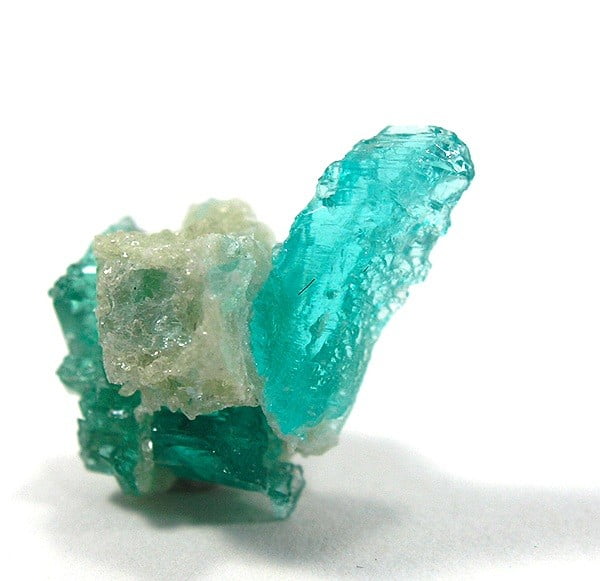
In 1989, the world of gemstones witnessed a dazzling discovery. Nestled in the mines of Paraíba, Brazil, a new type of tourmaline emerged, captivating gemologists and jewelry enthusiasts alike. Its electrifying hues, ranging from a “windex” blue to a neon green, defied expectations. Unlike any tourmaline seen before, this gem possessed an undeniable rarity and an almost supernatural beauty. It became an instant sensation, christened Paraíba tourmaline due to its singular source – a testament to its unique origins, much like Montana sapphires or Kashmir sapphires with their geographically defined prestige.
However, the story of Paraíba tourmaline took an unexpected turn in the early 2000s. Similar gemstones were unearthed a world away, in the remote mines of Nigeria. This discovery presented a perplexing dilemma. “Paraíba,” with a capital “P,” undeniably referred to a place – a specific region in Brazil. Unlike other gem names derived from locations (think of Tanzanian tsavorite or Australian opal), “Paraíba” had become synonymous with a particular type of tourmaline, regardless of its geographic origin. While Kashmir sapphires undeniably hail from Kashmir, and Tahitian pearls hold a birthright to their namesake island, the lines with Paraíba tourmaline blurred. Was a captivating blue tourmaline “Paraíba” simply because of its color, or did its birthplace hold the key to its value and identity?
This seemingly minor detail – a capitalized “P” – snowballed into a significant issue with financial repercussions. A Paraíba tourmaline, mined in its namesake state and boasting the coveted capital “P,” could command a price exponentially higher than its near-identical twin, a “paraiba” (lowercase “p”) tourmaline, unearthed in Nigeria or Mozambique. The distinction transcended mere color; it became a story woven with the allure of provenance. The birthplace imbued the gem with an additional layer of value, a historical significance that resonated with collectors.
The challenge lies in definitively identifying the origin. Gemological laboratories, armed with sophisticated tools like Laser Ablation-Inductively Coupled Plasma-Mass Spectrometry (LA-ICP-MS), strive to pinpoint the source. Yet, even these advanced techniques yield results shrouded in cautious language. They might suggest a “possible” or “probable” Paraíba origin, highlighting the inherent difficulty in definitively declaring a specific mine or location. This ambiguity creates a frustrating situation, where the paperwork certifying origin can sometimes be more valuable than the gem itself, especially when the price difference between a capitalized “Paraíba” and a lowercase “paraiba” can be astronomical.
The Paraíba tourmaline conundrum transcends mere marketing tactics. It delves into the very essence of value in the gemstone world. Is it solely determined by a captivating color, or does the birthplace imbue the gem with a unique character, a historical narrative that elevates its worth? This fascinating case study pushes the boundaries of gemstone nomenclature and compels the industry to grapple with the ever-evolving relationship between a gem’s origin and its market value.
Beyond the Binary: The Nuances of Geographic Origin
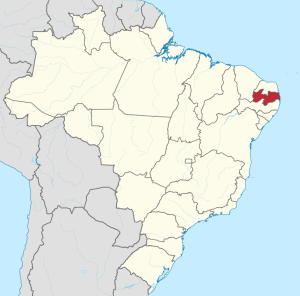
The Paraíba story doesn’t end with a simple binary of capitalized versus lowercase. Geologists have identified subtle variations in the chemical composition of Paraíba tourmalines depending on their specific mine locations within the Paraíba state itself. Trace elements like copper and manganese, responsible for the electrifying hues, can differ slightly across these mines. This allows for a more nuanced approach to origin determination, potentially differentiating between a stone from the famed Pedra Azul mine and another from the Saco Verde mine, both located in Paraíba. While commercially less significant than the capitalized “Paraíba” versus lowercase “paraiba” distinction, such detailed origin identification caters to the most discerning collectors who seek unparalleled provenance for their gems.
Ethical Considerations and the Future of Paraíba Tourmalines
The discovery of Paraíba tourmalines in Africa has also brought ethical considerations to the forefront. Artisanal mining practices in some regions can lead to environmental degradation and social injustices. Responsible sourcing becomes paramount, ensuring that the pursuit of these captivating gems aligns with ethical and sustainable practices.
Looking ahead, the future of Paraíba tourmalines remains intriguing. The possibility of new discoveries in unexplored regions might further complicate the origin story. Advancements in gemological technology could potentially refine the ability to pinpoint a gem’s birthplace with greater accuracy. Ultimately, the Paraíba tourmaline saga serves as a reminder of the intricate interplay between a gem’s color, its origin story, and the ever-evolving dynamics of the gemstone market.
Check out our Blog!
FAQ: The Paraiba Perplexity
1. What makes Paraíba tourmaline different from other tourmalines? Paraíba tourmaline is distinguished by its electrifying, “neon” hues, ranging from “Windex” blue to vibrant green. These unique colors are caused by trace elements of copper and manganese, which were not seen in tourmalines before the 1989 discovery in Brazil.
2. Why is there a pricing difference between “Paraíba” and “paraiba” tourmaline? The difference comes down to provenance. A capitalized “Paraíba” refers to a stone mined specifically in the Paraíba state of Brazil, which carries a historical prestige and rarity that collectors pay a premium for. A lowercase “paraiba” refers to chemically similar stones found later in Nigeria or Mozambique, which—while nearly identical in color—often command significantly lower prices.
3. How do gemological laboratories determine where a stone was mined? Labs use advanced technology like LA-ICP-MS (Laser Ablation-Inductively Coupled Plasma-Mass Spectrometry) to analyze the chemical “fingerprint” of the gem. However, even with this tech, results are often cautious, using terms like “possible” or “probable” because it is incredibly difficult to definitively prove a specific geographic origin.
4. Are all Brazilian Paraíba tourmalines considered the same? Not necessarily. Discerning collectors look for even deeper nuances. Geologists have found that trace elements can vary between specific mines within the state of Paraíba, such as the Pedra Azul mine versus the Saco Verde mine. While less commercially impactful than the country-of-origin debate, these details provide an extra layer of “unparalleled provenance.”
5. What ethical concerns are associated with these gemstones? The expansion of mining into Africa has highlighted issues surrounding artisanal mining practices, which can sometimes lead to environmental damage or social injustice. As the market evolves, there is an increasing focus on responsible sourcing to ensure these rare gems are mined ethically and sustainably