
Colored Stone Price Trends
The 2026 Investment Outlook
In 2026, the global gemstone market is entering a “Golden Era of Transparency.” While white diamonds continue to face extreme volatility due to the high saturation of the lab-grown sector, the “Big Three” (Ruby, Emerald, and Sapphire) are solidifying their status as the ultimate form of “portable wealth.”
Driven by a projected 15% rise in natural asset demand and revolutionary new grading standards from the GIA (launched January 1, 2026), the market has shifted its focus. Valuation is no longer determined solely by the stone’s physical appearance; in 2026, the story, origin, and ethical “birth certificate” behind the gem are the primary levers of Colored Stone Price Trends.
2026 Colored Stone Price Trends Snapshot: The Big Three
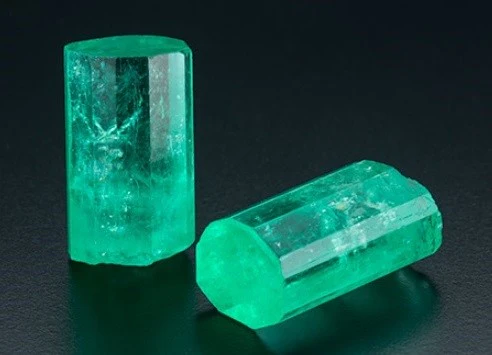
The following data reflects current market rates for investment-grade specimens between 1.0 and 3.0 carats. Investment grade is strictly defined in 2026 as stones that are unheated (for Corundum) or have “No Oil” (for Emeralds).
Historical 10 year Colored stone price analysis with 1 year future trend prediction
Gemstone Investment Reference Table (2016–2027)
Historical Analysis & 1-Year Trend Projection (Prices Per Carat in USD)
| Year | Ruby (Unheated) | Emerald (No Oil) | Sapphire (Unheated) |
|---|---|---|---|
| 2016 | $23k – $45k | $11k – $32k | $8.5k – $22k |
| 2018 | $28k – $55k | $12.5k – $36k | $10k – $26k |
| 2020 | $34k – $66k | $14k – $41k | $11.5k – $31k |
| 2022 | $41k – $80k | $16.5k – $48k | $13k – $35k |
| 2024 | $46k – $92k | $18.5k – $55k | $14.2k – $38k |
| 2026 (Current) | $50,000 – $100,000+ | $20,000 – $60,000+ | $15,000 – $40,000+ |
| 2027 (Projected) | $55k – $112k | $21.5k – $65k | $16.2k – $43.5k |
2026 Investment Grade Price Reference Table Q1 2026 Pricing
| Gemstone | 2026 Entry Level (Fine) | 2026 Investment Grade | Market Momentum |
| Ruby (Unheated) | $10,000 – $25,000 | $50,000 – $100,000+ | Strong Bullish |
| Emerald (No Oil) | $6,000 – $15,000 | $20,000 – $60,000+ | Stable / Rising |
| Sapphire (Unheated) | $4,500 – $12,000 | $15,000 – $40,000+ | High Liquidity |
Top Market Movers for 2026
The GIA 2026 Overhaul and Origin Premium
Starting January 1, 2026, the Gemological Institute of America (GIA) expanded its “Country of Origin” services to a much broader range of gemstones. For the first time, stones like Opal, Peridot, and Demantoid Garnet receive the same rigorous forensic origin tracking once reserved for the Big Three.
Enhanced Storytelling: The new GIA reports feature a redesigned format aimed at “narrative depth,” allowing retailers to justify a 15–20% value premium for stones with verified, prestigious provenance.
Forensic Mapping: GIAField Gemology now utilizes a research collection of over 32,000 samples to verify origin, making it nearly impossible to “launder” stones from high-conflict zones into the legitimate 2026 market.
“No Heat” as the Sovereign Standard
The market has bifurcated. In 2026, the premium for completely untreated stones has reached an all-time high, as collectors view them as “geological miracles” rather than just jewelry components.
Ruby: An unheated Burmese ruby can now command a price 3x higher than a heated stone of the same visual quality.
Sapphire: Unheated “Royal Blue” (Kashmir/Sri Lanka) and “Padparadscha” varieties remain the fastest-appreciating assets in the Corundum family.
Emerald: The “No Oil” designation has become the ultimate 2026 status symbol. Stones with zero evidence of clarity enhancement often double the price of those with even “Minor Oil” treatment.
Ethical Traceability (ESG) and Blockchain
The “Clean Gem” movement, spearheaded by Millennial and Gen Z investors, has moved from a niche preference to a market requirement. By mid-2026, stones with Blockchain birth certificates are closing the price gap with traditional “heritage” mines.
Mechanized Transparency: Mines in Zambia (Emeralds) and Mozambique (Rubies) that utilize mechanized, transparent sourcing are seeing higher sell-through rates at auction than smaller, opaque artisanal operations.
Digital Wallets: Many 2026 investors now store their gem’s digital twin (NFT/Blockchain record) in secure digital wallets, ensuring that provenance is never lost during resale.
The 2026 “Smart Buy” vs. “Prestige Buy”
 The Prestige Buy: Mogok “Pigeon Blood” Ruby
 The Prestige Buy:
 Burmese rubies from the Mogok region remain the most expensive colored stones in the world per carat. In 2026, they are viewed as a “Hard Asset” equivalent to gold but with significantly higher growth potential due to the finite nature of the deposits.
The Smart Buy: Spinel & Tsavorite
As the Big Three reach record-breaking price ceilings, savvy investors are pivoting toward high-performance alternatives:
Mahenge Spinel: These neon-pink and red stones from Tanzania are rarer than rubies and are currently trading at 30–50% of the price.
Tsavorite Garnet: A completely natural, unenhanced green alternative to Emerald. In 2026, fine Tsavorite is seeing a surge in demand from independent designers seeking “eye-clean” green stones without the fragility of emeralds.
2026 Comparative Value: Alternative Gemstones
| Alternative Stone | Primary Value Driver | 2026 Price Trend |
| Cobalt Blue Spinel | Extreme Rarity / Pure Blue | Up 45% YOY |
| Paraiba Tourmaline | Neon Saturation | Up 30% YOY |
| Montana Sapphire | Ethically Sourced / USA | Up 20% YOY |
| Mahenge Spinel | High Clarity / Neon Pink | Up 35% YOY |
Technical Factors Influencing 2026 Valuations
The “Window” and Cutting Precision
In previous decades, “native cuts” (cutting to maximize weight) were acceptable. In 2026, the market rewards precision cutting. A stone with a “window” (a transparent area in the center where light leaks through) will see a 20–30% deduction in value compared to a precision-cut stone that returns 100% of the light to the eye.
Fluorescence and Chromium Content
For Rubies and Pink Sapphires, chromium content is the 2026 value-key. A stone with strong red fluorescence will appear “neon” even in low light. Professional 2026 appraisals now explicitly test for UV reaction as a primary pricing factor.
2026 Investment Outlook: Why the “Renaissance” Will Continue
Industry analysts predict that the “Colored Stone Renaissance” will peak between 2027 and 2028. Several structural factors support this “Hold” recommendation for current owners:
Constricted Supply Chains: Traditional hubs like Myanmar and Colombia are seeing reduced outputs, while new AI-driven mining technology is not yet at full scale.
Wealth Concentration: As global wealth seeks “offline” assets, the portable nature of a $100,000 ruby makes it more attractive than bulky gold bullion or volatile digital currencies.
The Luxury Pivot: High-jewelry houses (Cartier, Chopard, Tiffany & Co.) have shifted their 2026 collections to feature more “Unique Color” pieces, further driving consumer demand for rare hues.
2026 Investment FAQs
Are gemstones a better investment than diamonds in 2026?
For many investors, yes. While the natural diamond market is stabilizing after the lab-grown influx, the geological scarcity of a “Pigeon Blood” Ruby or “Muzo Green” Emerald is absolute. Lab-grown colored stones have had almost zero impact on the high-end investment market because the value is derived from the “rarity of nature,” which cannot be mass-produced.
Which origin is the “Blue Chip” for 2026?
Ruby: Myanmar (Mogok) remains the gold standard, though Mozambique is the high-growth powerhouse.
Emerald: Colombia (Muzo, Chivor, Cosquez) remains the global leader for prestige.
Sapphire: Kashmir remains the ultimate historical blue chip, while Sri Lanka (Ceylon) is the primary source for high-quality, liquid stock.
What is the biggest risk in 2026 gem investing?
The primary risk is the misidentification of treatments. Sophisticated new “diffusion” and “lattice-filling” techniques can make a low-grade stone look like an investment-grade gem. In 2026, it is non-negotiable to require a fresh (post-Jan 2026) report from the GIA, GRS, or SSEF before completing a high-value purchase.
How does “Asterism” (Star Gems) affect 2026 pricing?
Star Rubies and Sapphires are seeing a massive resurgence in 2026. A sharp, centered 6-ray star on a body with high color saturation can add a 25% premium. Collectors are increasingly seeking “Phenomenal” stones that are unique and impossible to replicate.
Is 2026 a good year to sell or hold colored stones?
The recommendation for 2026 is to Hold. Supply remains constricted and demand from the Asian and Middle Eastern markets is reaching a new peak. The current appreciation trend is expected to continue through at least 2028 before the market reaches a stable plateau.
How much does a GIA Origin Report cost in 2026?
GIA updated its fee structure on January 1, 2026. While fees vary by carat weight, the inclusion of “Origin” typically adds a premium to the standard identification fee. However, the 15–20% value increase the report provides far outweighs the lab costs for stones over 1.0 carat.
Can I trust “Mine-to-Market” claims without Blockchain?
In 2026, verbal claims of ethical sourcing are no longer sufficient for investment-grade valuation. While not all stones have blockchain records, those that do are trading at a premium. If a stone lacks digital traceability, independent third-party audits of the mining company are the next best trust signal.
What is the 2026 “Exit Strategy” for gem investors?
Liquidity has improved via specialized 2026 digital marketplaces and “Gem-Backed” asset funds. However, the most reliable exit remains high-end auction houses or private treaty sales through Certified Appraisers.
Contact American Gem Registry for an Appointment
Schedule an Appointment for your Appraisal
By Appointment Only.
5610 Ward Rd #300
Arvada, CO 80002
neil@gemlab.us
303-223-4944
Offices Located in Arvada, Colorado
My office is located in Arvada, Colorado, a suburb of Denver, but I have many customers in the surrounding suburbs and even states! It’s worth the drive from as far as Cheyenne, WY, Colorado Springs, or even Pueblo for an independent appraisal. I have top qualifications, I charge reasonable and transparent prices, and I do the work while you wait and while you watch if you like.